
Lula faces tightest first-round race since 2002, Datafolha shows
Monday 13 April 2026 - 02:48pm
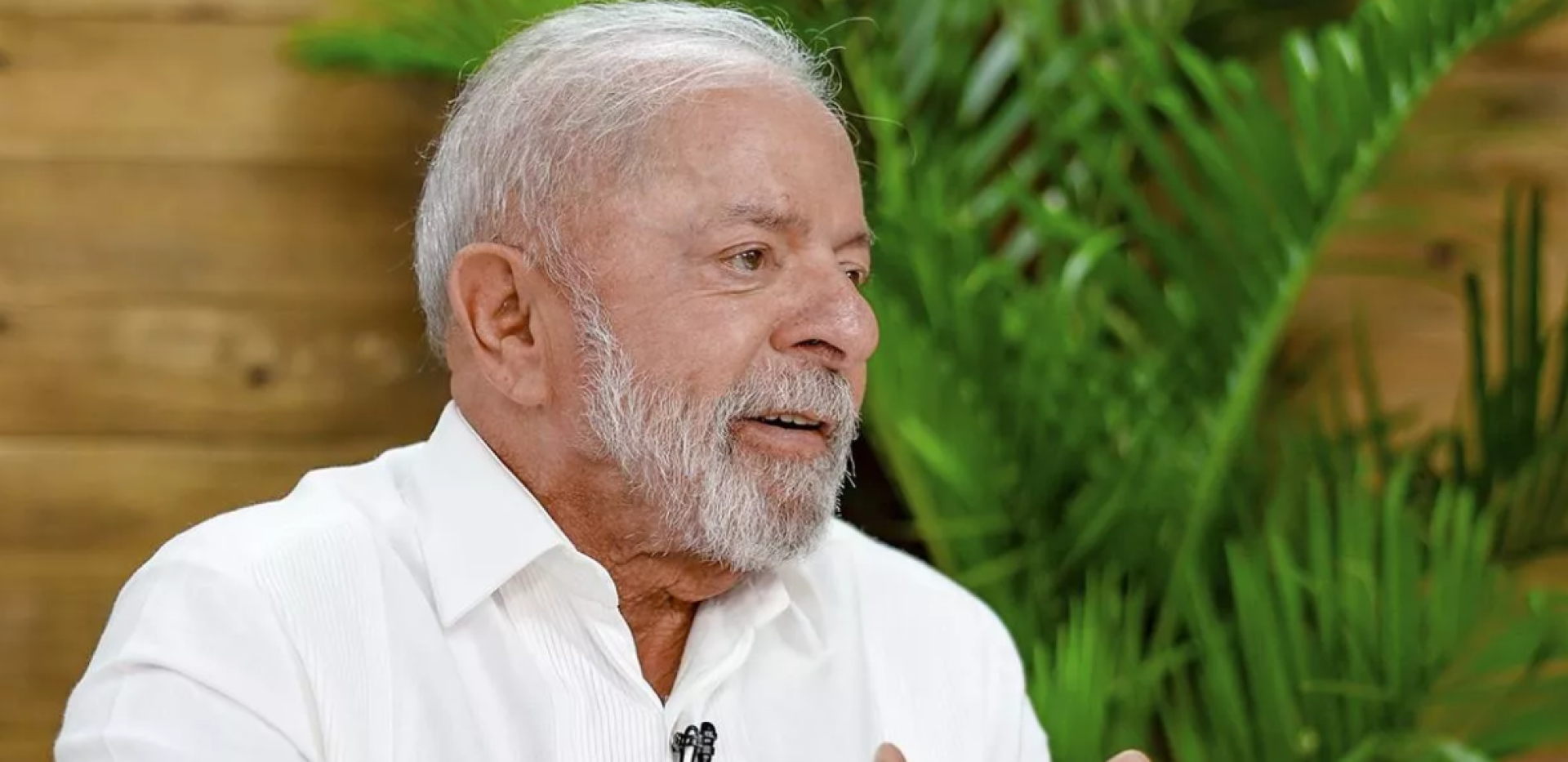
By Brasil 247 – Brazilian President Luiz Inácio Lula da Silva is facing his tightest first-round electoral scenario among all the presidential races he has won, according to information published by Folha de S.Paulo based on a historical series of Datafolha polls conducted about six months before elections. The latest survey, released on April 11, shows Lula with 39 percent of voting intentions, compared to 35 percent for Senator Flávio Bolsonaro (PL-RJ), indicating a highly polarized race with a narrow margin. The data were reported by Brasil 247, citing Folha de S.Paulo.
The poll was conducted between April 7 and 9 with 2,004 respondents aged 16 or older across 137 cities. The margin of error is two percentage points.
Compared to previous elections won by Lula, the current lead is significantly smaller. In 2002, he held a 10-point advantage over José Serra in early April. In 2006, during his reelection bid, he led Geraldo Alckmin by 17 points in June polling. In 2022, Lula had 48 percent of voting intentions in May, compared to 27 percent for Jair Bolsonaro, reflecting a wider lead than currently observed.
Political scientist Elias Tavares said the current figures are symbolic of a consistent reduction in Lula’s margin compared to previous cycles. He noted that the scenario reflects a more fragmented electorate and a more competitive race, with the president yet to establish a government program with strong popular reconnection comparable to initiatives such as Fome Zero in the early 2000s.
Tavares stated that in 2002 Lula benefited from a wave of change and high expectations, while in 2006 he maintained a relatively comfortable lead despite political challenges. In 2022, he sustained a consistent advantage partly due to high rejection of Jair Bolsonaro, positioning himself as the main alternative.
The narrowing margin requires Lula to compete continuously for votes in a context where the opposition starts from a more consolidated position. According to Tavares, polarization has reduced space for spontaneous electoral growth.
Bruno Bolognesi, a political scientist and professor at the Federal University of Paraná, also linked the tighter race to polarization. He said this environment increases unpredictability and reinforces the role of tactical voting, particularly in countries marked by strong political antagonism.
The survey also highlights high rejection rates for both leading candidates. Lula has a rejection rate of 48 percent, while Flávio Bolsonaro stands at 46 percent. This proximity helps explain the compressed nature of the race. Other figures, such as Romeu Zema and Ronaldo Caiado, show lower rejection rates of 17 percent and 16 percent, respectively, though they remain less nationally known.
In comparison, during the 2022 election cycle, Lula’s rejection ranged between 33 percent and 40 percent, while Jair Bolsonaro’s ranged from 51 percent to 55 percent in Datafolha surveys conducted between May and October.
Luis Gustavo Teixeira, a political scientist and professor at Unipampa, attributed the tighter scenario to government wear and difficulty expanding support beyond Lula’s traditional base. He noted that the current moment reflects a process of political weakening affecting Lula’s ability to maintain a broader lead.
Teixeira added that the campaign could still shift, citing Flávio Bolsonaro’s limited executive experience and past electoral challenges. He also pointed to potential scrutiny related to corruption allegations as a factor in a highly exposed campaign environment.
Experts also emphasize the role of undecided voters and blank ballots, which remain significant and could influence the outcome in a close race. Antonio Lavareda, a political scientist from Ipespe, said Lula could be overtaken if economic conditions worsen or scandals intensify. He highlighted that second-round scenarios currently show technical ties between Lula and his opponents.
Lavareda noted that Lula needs a margin of three to four percentage points to offset higher abstention among lower-income voters, who form a key part of his support base.
Luciana Chong, CEO of Datafolha, observed that the current scenario differs from 2002 because Lula does not face significant fragmentation on the left, while the right remains more divided. Besides Flávio Bolsonaro, other right-leaning pre-candidates collectively account for 13 percent of voting intentions.
She stated that the behavior of these voters will be crucial to understanding the dynamics of the race. Chong also noted that incumbency advantages, including government visibility, could still benefit Lula as the campaign progresses.