
Brazil will not create state company but will require local processing of critical minerals
Monday 04 May 2026 - 05:18pm
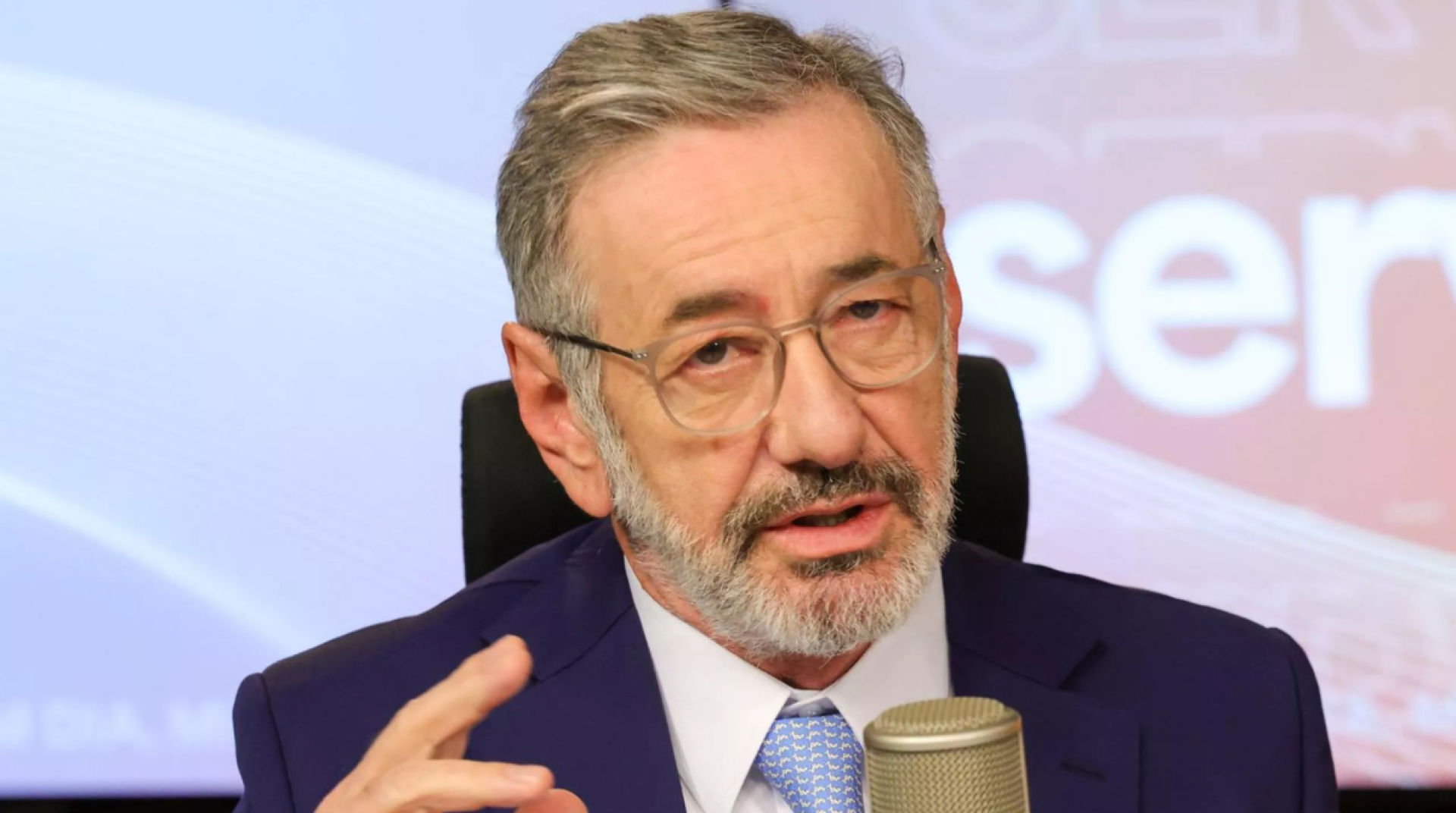
By Brasil 247 – The Brazilian federal government does not plan to create a state-owned company for the critical minerals sector, such as the proposed TerraBras, but intends to adopt strict measures to ensure local processing and industrialization of these strategic resources, Minister of Development, Industry, Trade and Services Marcio Elias Rosa said in an interview with Valor Econômico, according to Brasil 247.
The proposal is part of the government’s contributions to a bill reported by Congressman Arnaldo Jardim, which establishes the National Policy for Critical and Strategic Minerals. According to the minister, the central guideline is to prevent Brazil from remaining limited to exporting raw materials without adding value domestically.
Marcio Elias Rosa emphasized the need for a shift in Brazil’s mining policy. “What delays the development of the sector is accepting that raw materials can be exported without industrialization,” he said.
The government is considering creating a special tax regime to encourage companies to invest in refining and processing minerals within Brazil. The model would follow a structure similar to the Green Mobility and Innovation program, offering tax credits proportional to the level of industrialization.
“Any special tax credit or exemption regime should be proportional to the densification of the production chain. The more advanced the industrial stage, the greater the benefit,” the minister said.
The proposal may also include oversight of foreign investments in the sector and potential restrictions on exports of critical minerals, reinforcing their strategic importance.
The minister also addressed the sale of the Serra Verde rare earth mining company, located in Minaçu, Goiás, to a US-based firm in a $2.8 billion deal announced in April. The transaction is under review by the federal government.
Marcio Elias Rosa did not rule out challenging the deal. “I do not discard the possibility of it being questioned,” he said, highlighting the strategic relevance of rare earth elements.
He stressed that such minerals are essential for the global industrial transition and should not be treated as ordinary commodities. “Rare earths are rare, but they have an owner, which is the Brazilian people. We cannot manage this without considering its strategic relevance,” he said.
The minister also commented on the provisional entry into force of the Mercosur-European Union agreement on May 1, describing it as a significant opportunity for trade expansion.
“It is impossible not to have a positive effect. We are talking about a market worth $22 trillion and 720 million people,” he said.
The government expects the agreement to increase Brazilian exports by 2.65% in the first year. Including agreements with Singapore and the European Free Trade Association, the annual impact could reach 67 billion reais.
Marcio Elias Rosa also addressed Brazil’s relationship with the United States, noting ongoing dialogue despite trade investigations based on Section 301 of US legislation.
According to him, such measures are consistent with US practices. “We do not need to see this as an unexpected adversity. It is their modus operandi,” he said.
Brazilian President Luiz Inácio Lula da Silva has requested a meeting with US President Donald Trump, which was postponed due to the conflict in Iran. The meeting remains under consideration as strategic.
The government’s agenda for critical minerals is aligned with the New Industry Brazil policy, aimed at strengthening strategic production chains. The minister said Brazil must define a clear policy for the sector to avoid missing a historic opportunity.