
African Leaders Renew Call for Permanent UN Security Council Seats at Nairobi Summit
Wednesday 13 May 2026 - 08:08pm
Wardah Wilkinsin, NNA News| Johannesburg
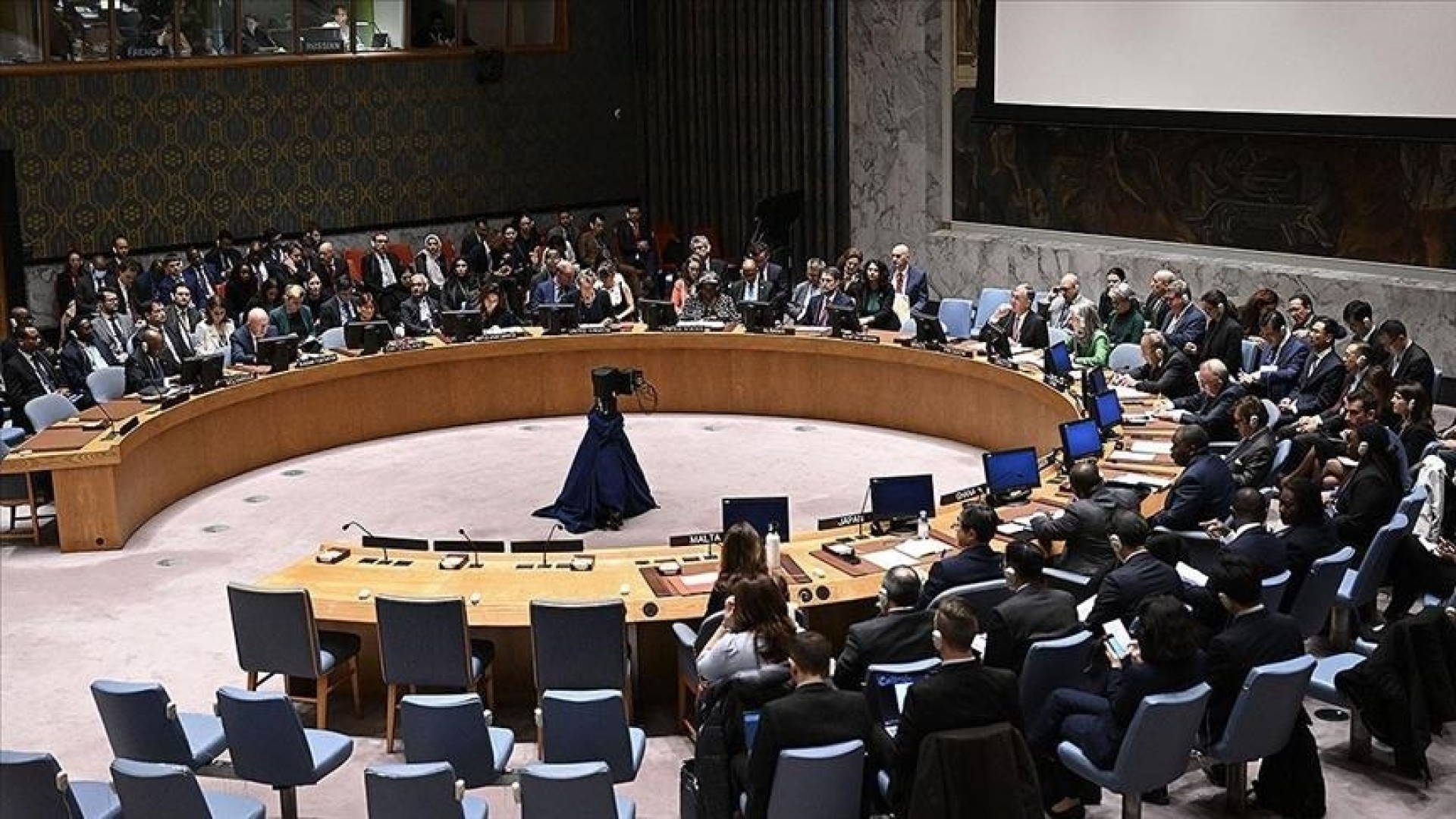
African leaders have renewed their demand for permanent African representation on the United Nations Security Council (UNSC) with veto powers and insisted that Africans must lead mediation efforts in conflicts on the continent.
In a declaration adopted at the Africa Forward Summit in Nairobi on Tuesday, African heads of state argued that the current global order and international institutions no longer reflect modern geopolitical realities or Africa’s growing role in global affairs.
“We recognise the urgent need for a comprehensive reform of the UN Security Council to make it more effective and representative, in line with the objectives of the Common African Position, including the Ezulwini Consensus and the Sirte Declaration,” the declaration said.
The Ezulwini Consensus, adopted by the African Union in 2005, specifically calls for at least two permanent African seats with veto powers and five non-permanent seats on the council.
For years, African countries have argued that the continent remains excluded from permanent decision-making at the United Nations, despite African conflicts and peacekeeping missions occupying much of the Security Council’s agenda.
This exclusion has fuelled frustration, which was also reflected in the Nairobi Declaration's strong stance against external involvement in African conflicts and security matters.
“We reaffirm that Africans must remain the main stakeholders in mediations on the crises that affect them,” the declaration said, stressing the “centrality of the African Union, regional economic communities and regional mechanisms to offer an inclusive mediation platform and build lasting peace."
Furthermore, the African leaders strongly rejected what they described as "external interference and the privatisation of security by external operators whose interests are not those of Africa".Warning that such involvements "carry risks and instability".
These concerns come amid growing instability across parts of the continent, including wars in Sudan and the eastern Democratic Republic of the Congo, as well as conflicts in Somalia and the Sahel. Among other regions, governments and human rights groups are increasingly debating the role of foreign military actors and private security companies.
The summit, hosted by Kenyan President William Ruto and French President Emmanuel Macron, brought together African heads of state who backed stronger African-led peace operations through the African Union Peace and Security Architecture.
Leaders also called for the implementation of UNSC Resolution 2719 to ensure “adequate, predictable and sustainable funding” for AU-led missions.
Beyond immediate security concerns, the declaration expressed broader unease over "global instability, challenges to multilateralism and international law, and intensifying competition between powers."
Stressing that such pressures threaten peace, security and development across Africa.
In response, leaders stressed the need to “strengthen Africa’s strategic autonomy, resilience and collective security capacities amid changing global power dynamics." While reaffirming support for negotiated political settlements.
The presidents highlighted that the continent's security challenges are deeply intertwined with poverty, underdevelopment and climate pressures.
“We underline the link between security and inclusive economic growth, youth empowerment, education, climate resilience and diaspora engagement,” the declaration said.
For many African leaders, the push for permanent Security Council seats and African-led mediation efforts reflects a broader demand for greater control over the continent’s political and security future, as governments seek a stronger voice in international decisions affecting Africa.