
Europe’s Airlines Face Mounting Fuel Pressure
Friday 08 May 2026 - 10:59am
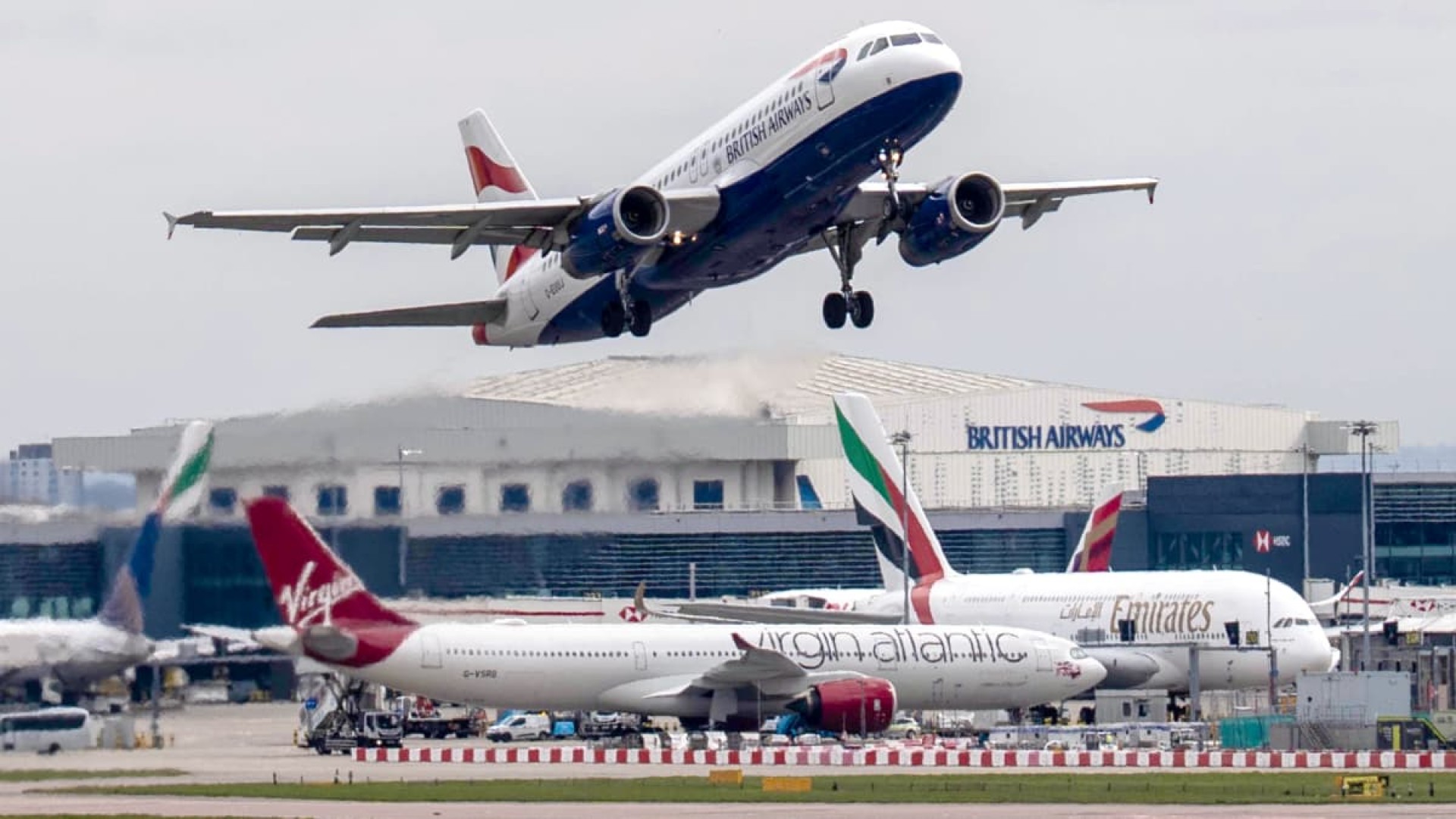
As tensions in the Middle East continue to disrupt global energy markets, airlines across Europe are facing growing pressure from soaring jet fuel prices, raising concerns over higher ticket costs and broader strain on the aviation sector.
The latest increases are being driven by supply disruptions and geopolitical instability, with major European carriers warning that operating costs are rising sharply as fuel markets remain volatile.
In its first-quarter earnings report released on Wednesday, Lufthansa said it expects fuel-related costs in 2026 to increase by 1.7 billion euros, nearly 24 percent higher than previously forecast.
“The ongoing crisis in the Middle East, combined with rising fuel costs and operational constraints, poses enormous challenges for the global economy, the aviation industry and our company,” Lufthansa chief executive Carsten Spohr said.
According to the International Air Transport Association, jet fuel prices surged by 106.6 percent year-on-year in March amid escalating geopolitical tensions.
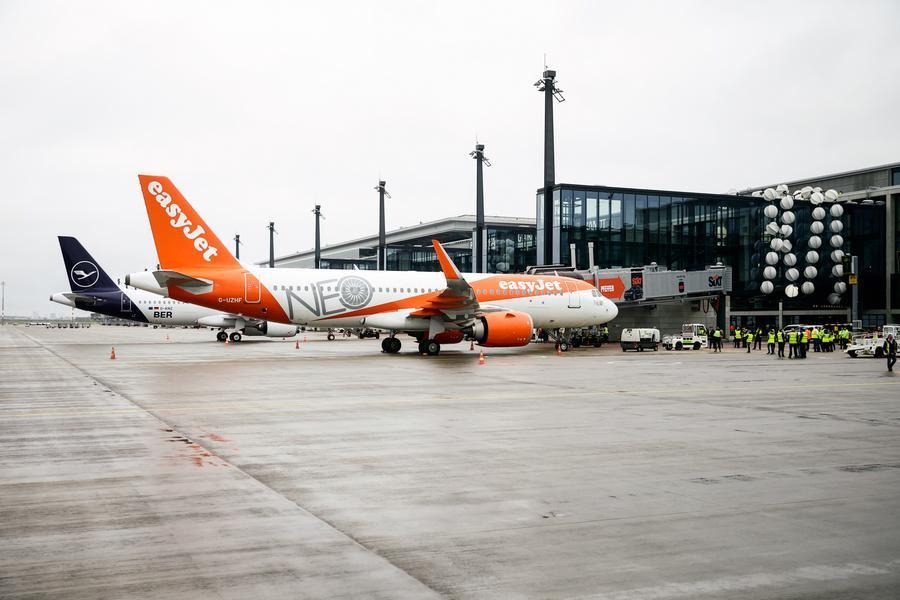
A Lufthansa aircraft (Rear) and an EasyJet aircraft are seen after arriving at the newly-opened Berlin Brandenburg Airport in Schoenefeld, Germany, on Oct. 31, 2020. (Thomas Trutschel/photothek/Handout/ NNA News)
IATA Director General Willie Walsh said that while the aviation industry remains in a stronger position than during the 2020 pandemic lockdowns, the current fuel crisis has become the sector’s most significant challenge since COVID-19.
Across Europe, airlines are increasingly looking for ways to offset rising costs, with some carriers already introducing higher fares and additional surcharges.
Air France-KLM said it plans to introduce surcharges of up to 50 euros on long-haul flights, while EasyJet and Ryanair warned that ticket prices could rise further if fuel markets remain unstable.
Analysts at Allianz Trade estimate that international airfares have already increased by between 5 percent and 15 percent as airlines attempt to absorb mounting operational costs.
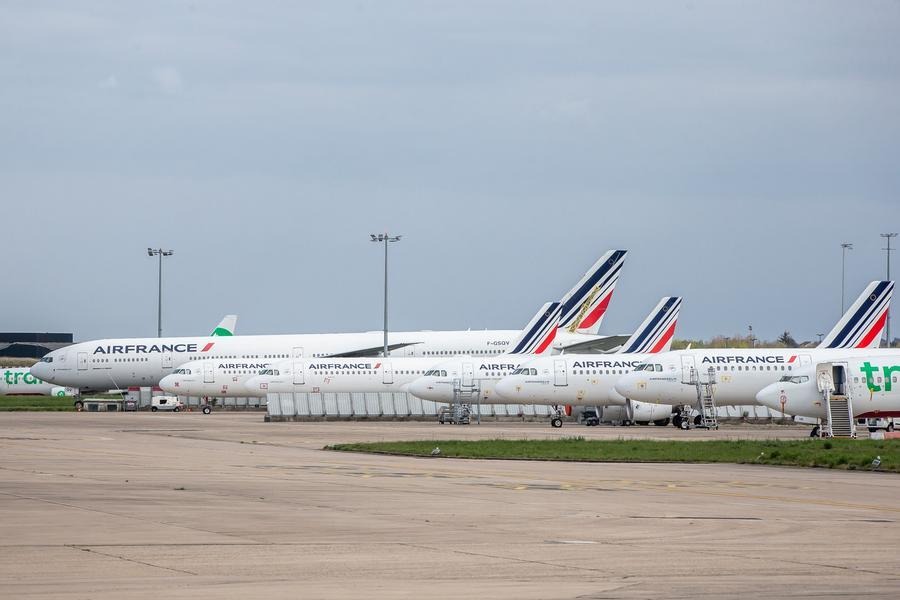
File photo shows Air France aircrafts parked on the tarmac after Orly Airport announced its shutdown as air traffic dwindled amid the coronavirus pandemic, south of Paris, France, April 3, 2020. (Photo by Aurelien Morissard/NNA News)
The pressure has also highlighted Europe’s reliance on imported aviation fuel. According to Allianz Trade, the region produces only about half of the kerosene required by its domestic aviation market, leaving airlines dependent on external supply chains.
Lufthansa said it is also considering stopover options for some long-haul routes to Asia and Africa in case of refuelling disruptions at destination airports.
“We can only fly if we have fuel,” Spohr said.
The developments come as concerns continue to grow over the wider economic impact of global conflicts, with rising energy costs affecting transport, trade and travel across multiple regions.