
Russia Uses Africa Day to Reinforce Anti-Colonial Message and Expand African Partnerships
Wednesday 27 May 2026 - 07:07am
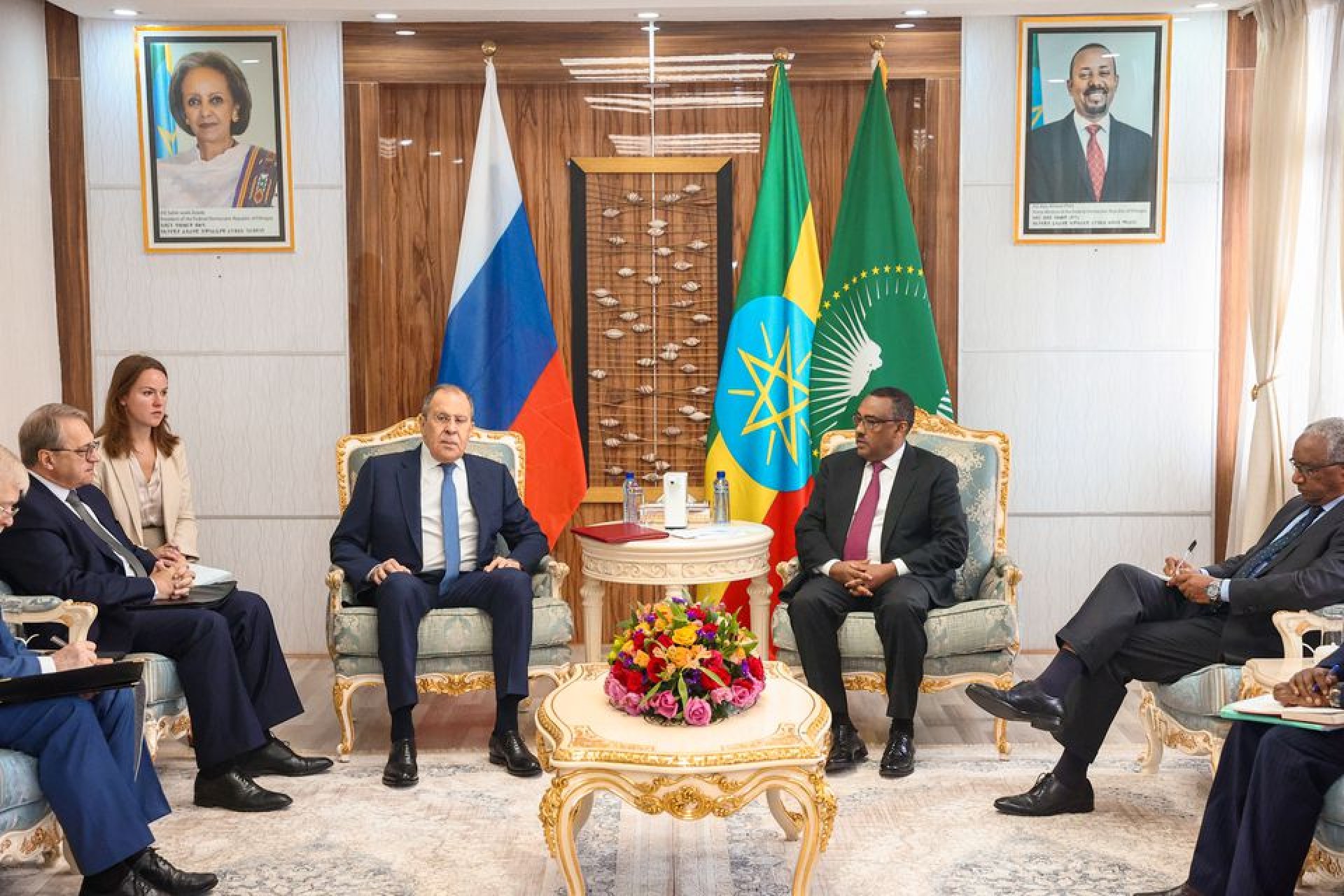
"The continent’s independence in setting its own course in international relations, diplomatic and economic alike, does not sit well with some powers that have become accustomed to dominating the global agenda over the last century,” he said. “Yet it is a welcome development for the international order as a whole and one that helps bring about fairness, progress and stability.”
Russian Foreign Minister Sergey Lavrov echoed those themes in an address to foreign journalists and diplomats at Russia’s Africa Day event. Speaking at the same venue, he accused Western governments of selectively applying international law while continuing to exert influence over former colonies.
Lavrov also thanked African and other countries that had sent condolences after what he called a “horrific terrorist attack” in Starobelsk on 21 May. He blamed the attack on “the Nazi regime in Kyiv”, language Moscow often uses for the Ukrainian government. He then went on to criticise what he called Western media outlets for what he described as limited coverage of the incident.
“In my view, journalists from the global majority fulfilled their professional duty with integrity, unlike many of their Western counterparts,” Lavrov added. “Some declined to attend, others said they were on vacation, and some faced restrictions from their governments.”
From there, Lavrov linked the war in Ukraine to what he called ‘unfinished decolonisation’ across Africa and the wider Global South.
“There remains work to be done towards full decolonisation,” he said. “And on that, we are in solidarity.”
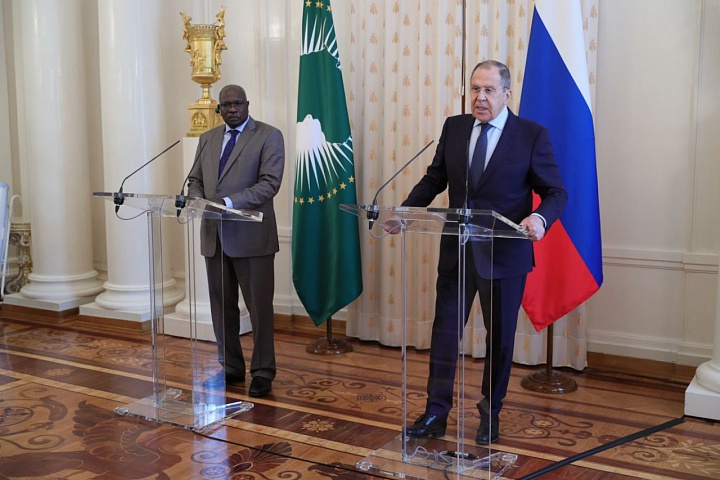
Foreign Minister Sergey Lavrov. Photo Credit: The Ministry of Foreign Affairs of the Russian Federation
The minister said Western countries invoke the principle of territorial integrity selectively, defending Ukraine’s borders while overlooking similar principles in other disputes.
“The West demands respect for the territorial integrity of Ukraine and Ukraine alone,” Lavrov said, citing debates over Greenland as an example of double standards.
He also pointed to what he described as lingering economic dependence in former colonies, including foreign control of strategic infrastructure. Recalling international meetings held in Africa, including G20-linked gatherings, Lavrov said some African governments hosting world leaders could not arrange aircraft refuelling independently because the infrastructure remained under foreign ownership.
“Why? Because in most countries, the refuelling stations belong to transnational corporations based in former colonial powers,” he said.
Moscow has increasingly positioned itself as a backer of African sovereignty and political independence, drawing on Soviet-era support for liberation movements during the Cold War. That context underpins its current engagement with the continent.
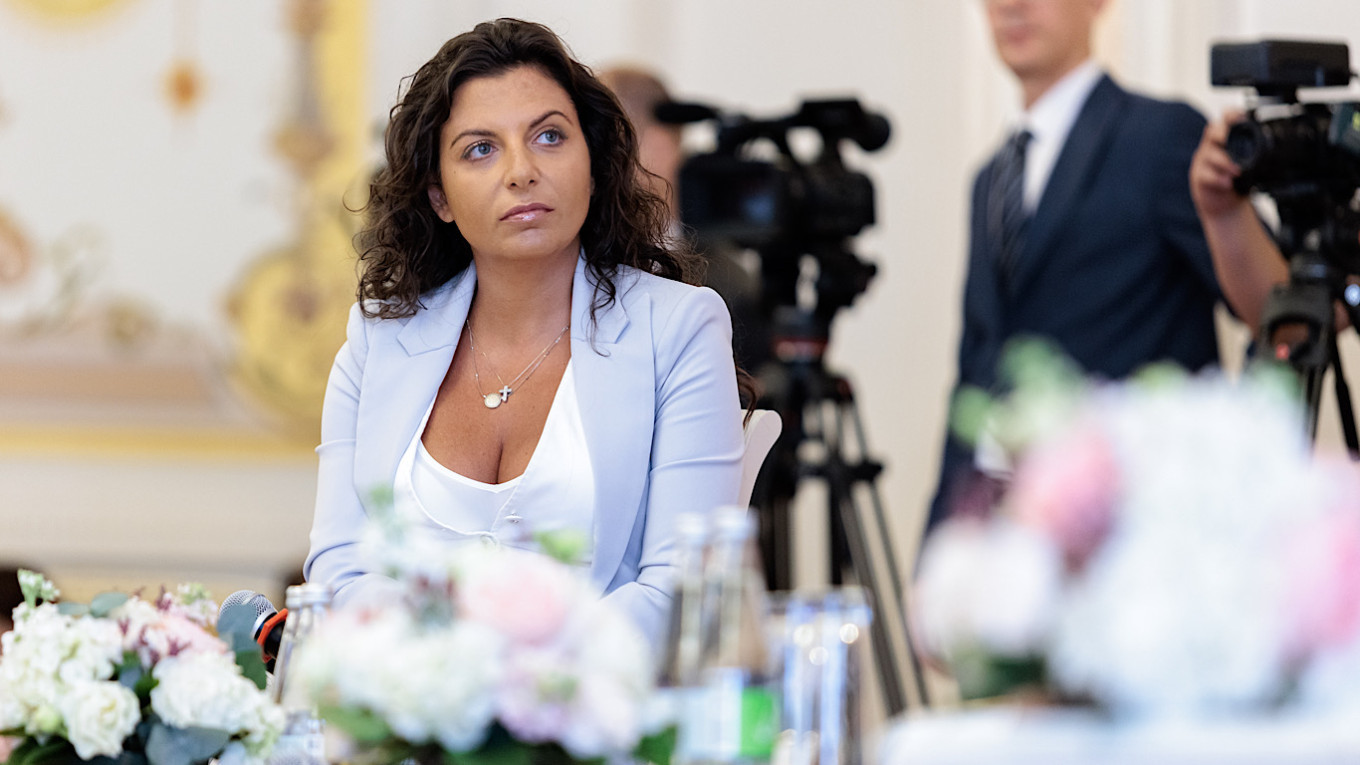
Margarita Simonyan. Photo Credit: The Moscow Times
Simonyan, Editor-in-Chief of RT and Rossiya Segodnya International Media Group, highlighted Russia’s growing engagement with African states through platforms such as BRICS and the Russia-Africa Summit process. The first Russia-Africa summit was held in Sochi in 2019, followed by a second in Saint Petersburg in 2023. Moscow says a third summit is planned for later this year.
“With every year, our ties in areas such as trade, energy, security and even space exploration continue to grow,” Simonyan wrote.
She also pointed to RT’s expanding presence in Africa, saying the broadcaster sees its role as part of an effort to diversify the global media landscape.
“When RT co-hosted the African Media Awards ceremony in December 2025, it was with a particular goal in mind: to contribute to fostering African media excellence,” she wrote.
“For RT, the event was much more than an inside-industry gathering; it was a responsibility that we see as part of our wider mission, ensuring a diverse global news media landscape.”
Simonyan added that RT has increasingly focused on African perspectives through programmes such as ‘Lumumba’s Africa’, hosted by Kenyan academic and pan-Africanist P. L. O. Lumumba. RT also airs documentaries on anti-colonial African leaders such as Patrice Lumumba, Nelson Mandela, Kwame Nkrumah and Samora Machel, among others.
She cited comments by South African International Relations Minister Ronald Lamola, who said RT helps expand access to diverse viewpoints in the Global South.
“The world can only grow when information is exchanged and shared, and they give a diversity of knowledge platforms,” Lamola said.
Africa Day is commemorated annually on 25 May, marking the founding of the Organisation of African Unity in 1963, the predecessor to today’s African Union.