
African Farmers Expand Hybrid Rice Production to Boost Food Security
Wednesday 27 May 2026 - 12:12pm
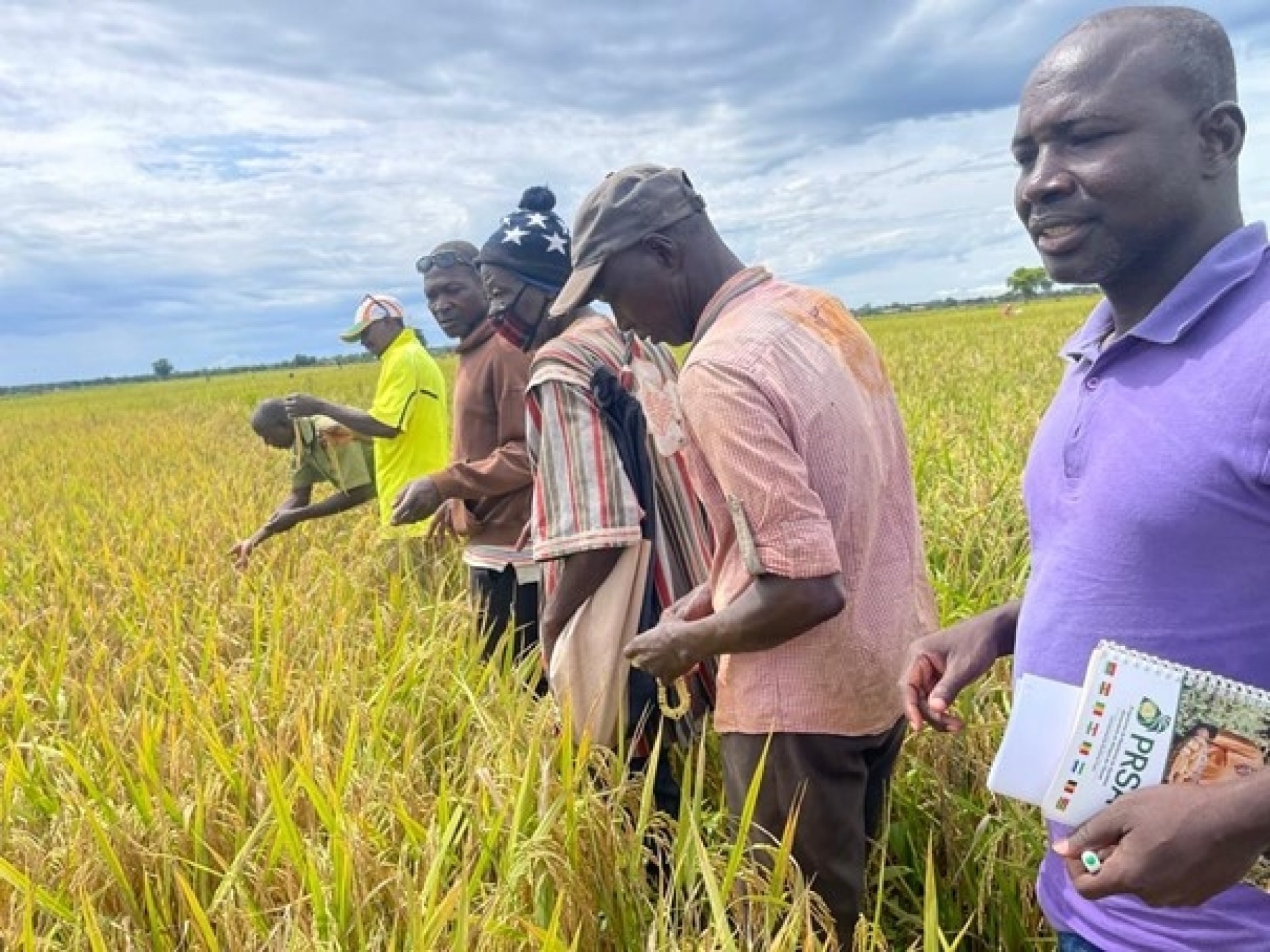
Hybrid rice production is expanding across several African countries as governments, researchers and farmers push to strengthen food security and improve agricultural output across the continent.
The growing adoption of hybrid rice farming methods comes at a time when many African countries are under increasing pressure to boost local food production amid climate pressures, rising food prices and population growth.
Agricultural officials in Guinea say hybrid rice projects have already contributed to significantly higher yields in recent years, with production in some demonstration fields reaching six tonnes per hectare per season, compared with lower yields from traditional rice varieties.
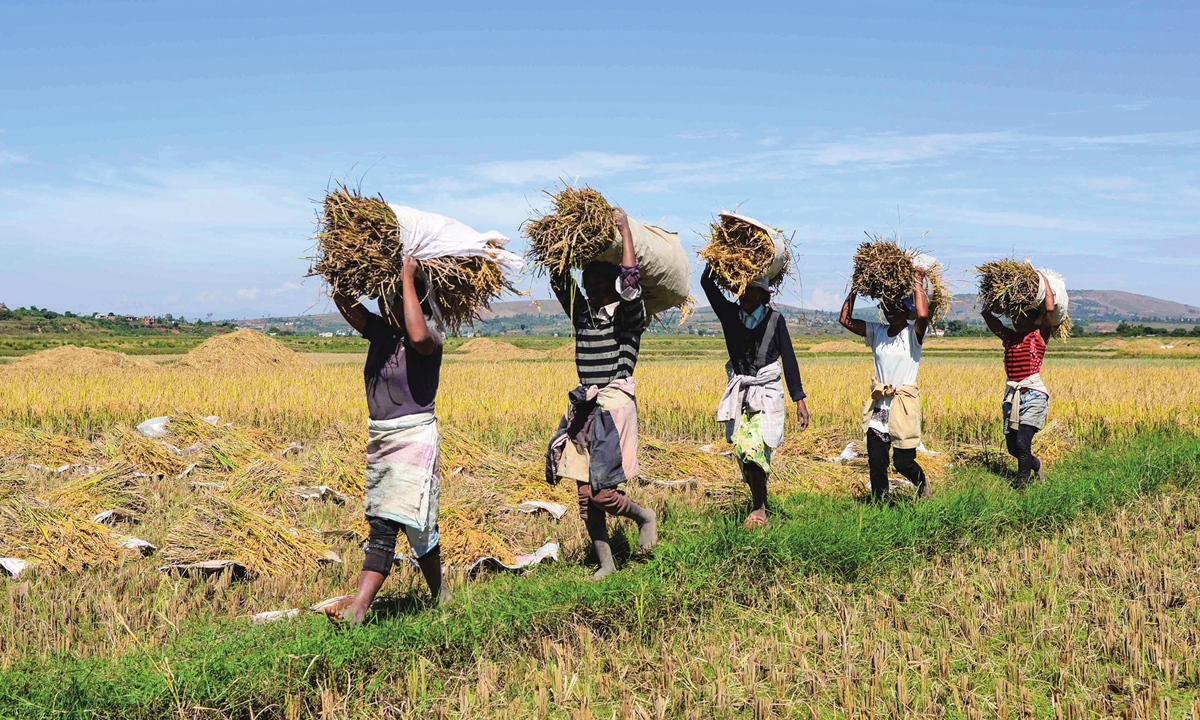
Local farms harvest crops at the hybrid rice land in Mahitsy, on May 12, 2023. Cred: Xinhua News Agency
Hybrid rice programmes are also expanding in Chad, The Gambia and Madagascar, where agricultural experts say improved farming methods and seed varieties are helping increase productivity.
Agricultural teams working with local farmers in Chad said rice yields have increased by more than 35 percent over the past two decades compared with some traditional local strains. The programmes have also helped train thousands of agricultural officials, technicians and farmers in rural communities.
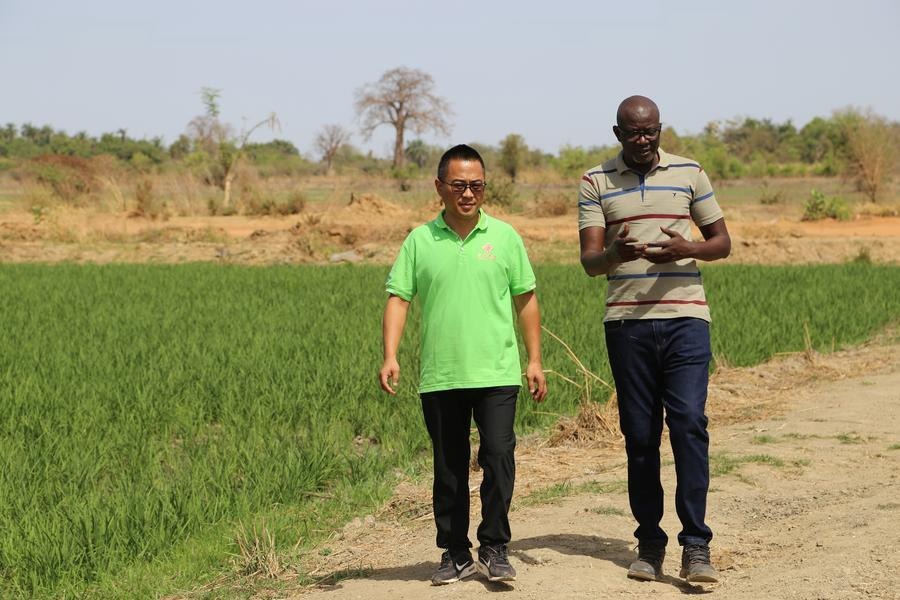
Huang Zhi (L) and Musa Darboe exchange rice farming experiences at Darboe's farmland in the Central River Region, The Gambia, on March 14, 2025. Cred: by Arnaud Mbaigolmem
In The Gambia, farmer Musa Darboe said improved rice cultivation techniques had transformed production on his family farm, where yields have risen to seven tonnes per hectare.
“It was Yuan Longping’s research that gave us hope of escaping hunger and achieving food self-sufficiency,” Darboe said.
Meanwhile, Madagascar has expanded agricultural research partnerships aimed at improving rice yields and training more agricultural specialists to support long-term food production.
Researchers involved in the programmes say reducing seed costs and strengthening local production systems remain important priorities for improving food access across the continent.
Agriculture continues to play a central role in many African economies, with governments increasingly viewing food security, agricultural innovation and local production as important components of long-term economic stability and sustainable development.