
Strait of Hormuz Restrictions Intensify Pressure on Global Shipping Routes
Thursday 28 May 2026 - 09:49am
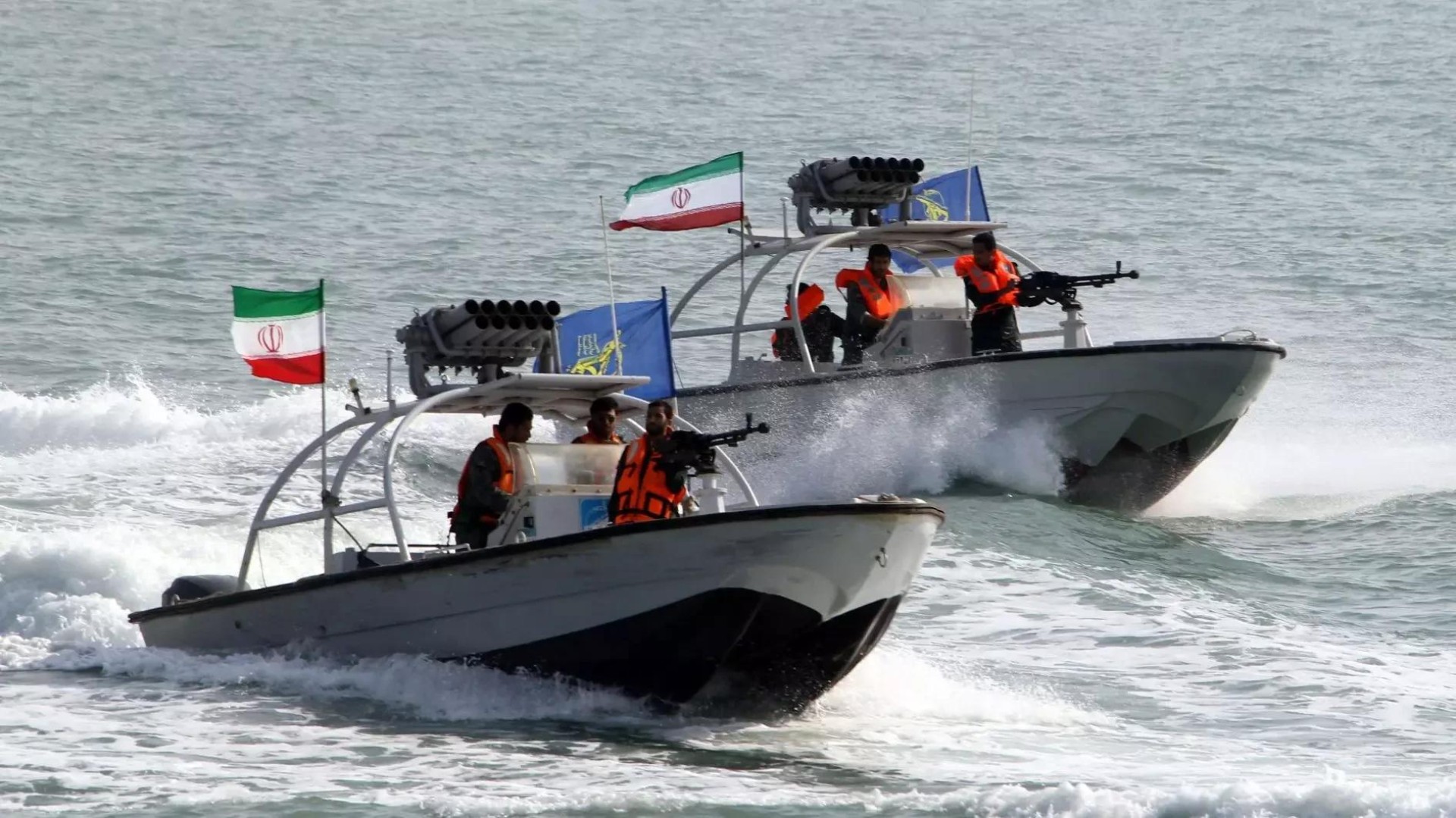
Tensions around one of the world’s busiest maritime trade routes intensified on Wednesday after Iran’s Islamic Revolution Guard Corps Navy said 23 vessels crossed the Strait of Hormuz within 24 hours under coordination with Iranian forces.
The statement, published by the IRGC-affiliated outlet Sepah News, comes amid growing uncertainty over commercial shipping movements through the strategic waterway linking the Persian Gulf to global energy markets.
According to the IRGC Navy, the vessels included oil tankers, container ships and commercial cargo carriers.
Iran said the vessels crossed the strait “in coordination with and under the protection” of its naval forces, while maintaining what it described as continuous “smart control” over the area.
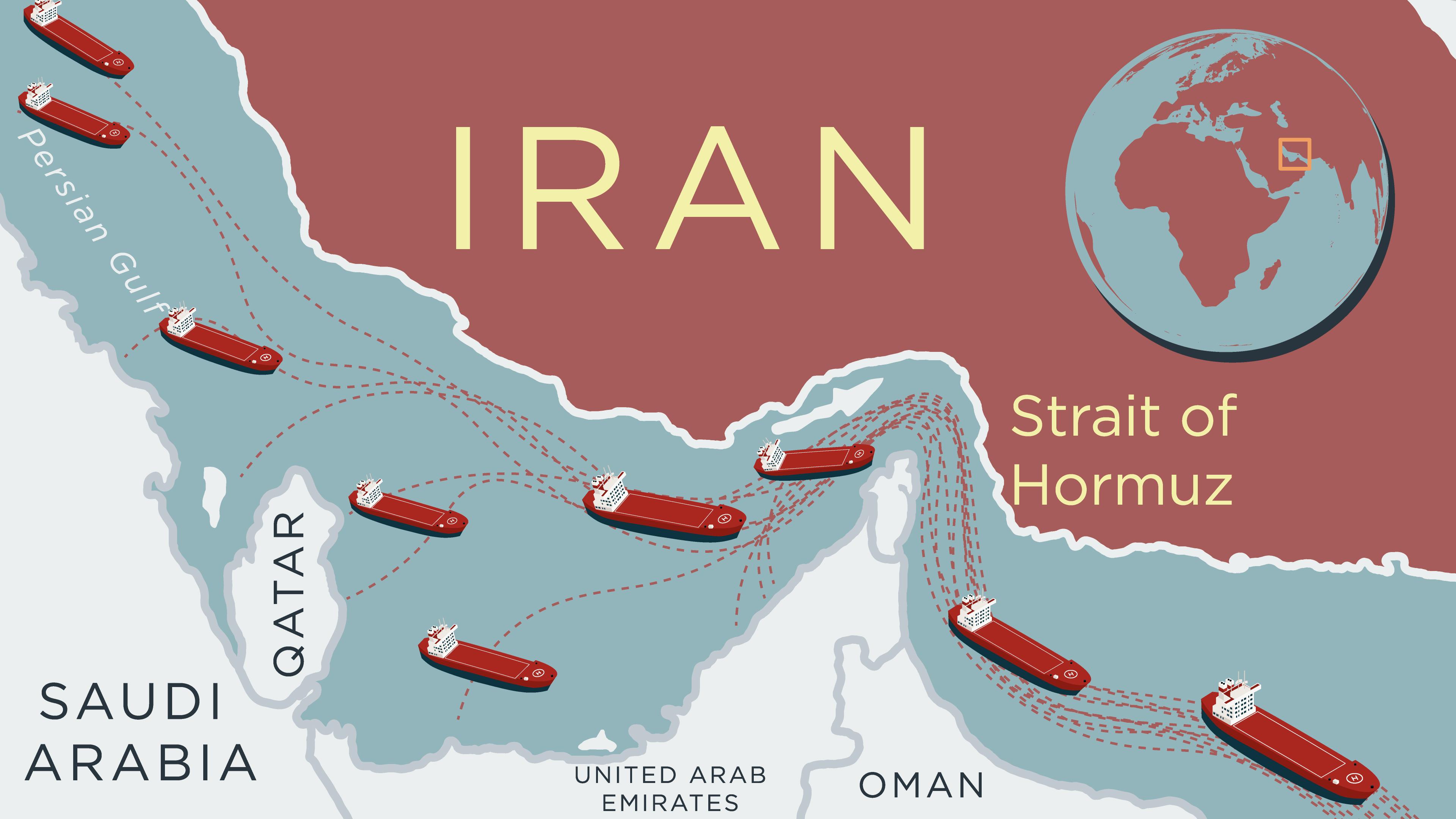
Photo Credit: Xinhua
The latest developments follow escalating regional tensions involving Iran, the United States and Israel, which have increasingly affected shipping activity in the Gulf.
Iran tightened restrictions in the Strait of Hormuz on 28 February after barring vessels linked to Israel and the United States following joint strikes on Iranian territory.
The United States has also imposed a naval blockade in the area, restricting vessels traveling to and from Iranian ports.
The Strait of Hormuz remains one of the world’s most strategically important maritime corridors, with a significant portion of global oil exports and commercial trade passing through the narrow route daily.
Shipping analysts and energy markets continue to closely monitor developments in the Gulf amid concerns that prolonged restrictions or military escalation could affect global supply chains, fuel prices and maritime security.
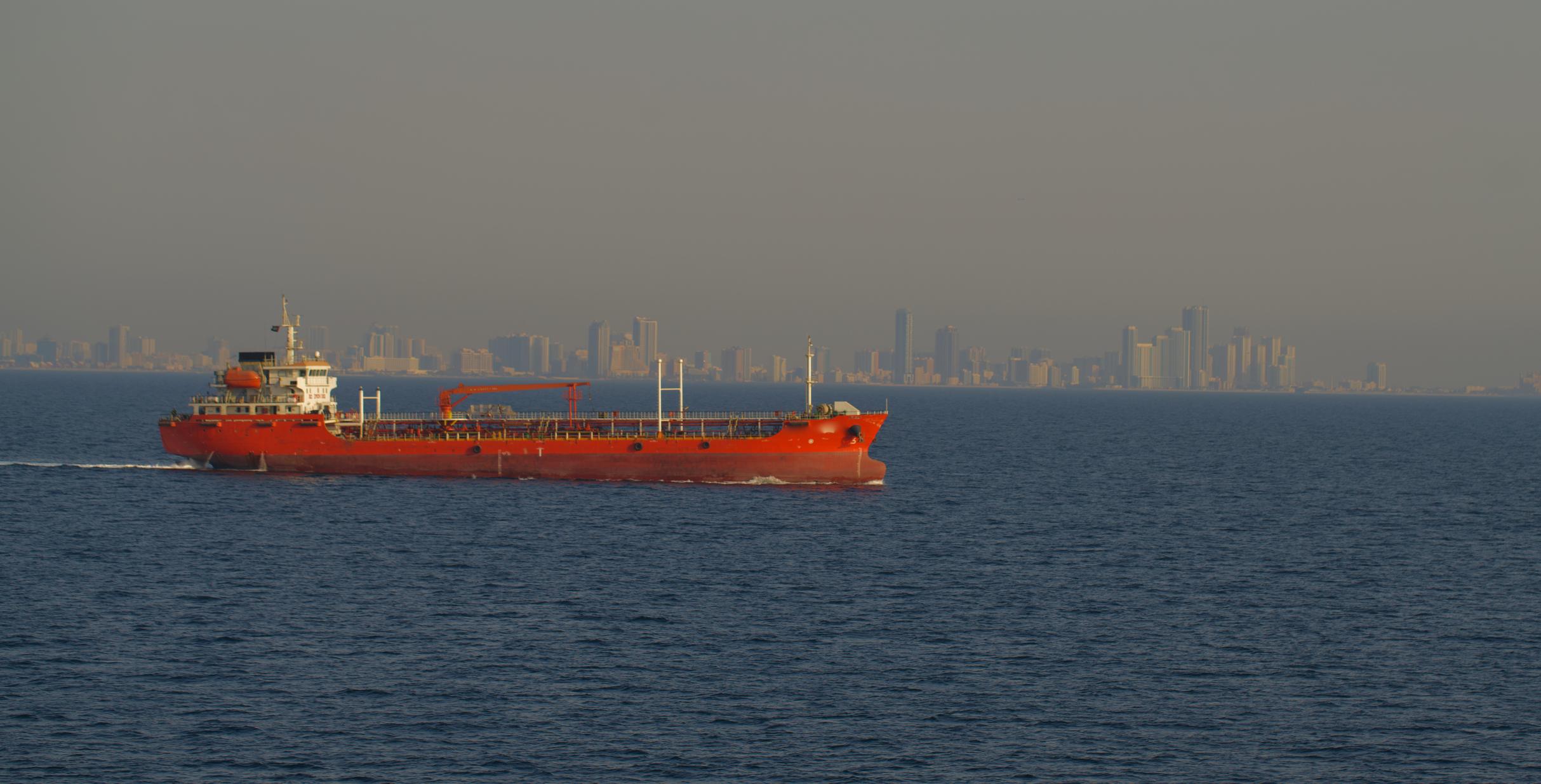
Photo Credit: Xinhua
In its statement, the IRGC Navy accused the United States of contributing to instability in the region.
“The aggression and malice of the U.S. terrorist army are the main causes of the insecurity in the Persian Gulf,” the statement said.
The situation adds to broader geopolitical tensions already affecting global energy markets and international shipping routes across the Middle East.