
Energy Markets Face Long Recovery Even if Strait of Hormuz Reopens, Experts Warn
Thursday 28 May 2026 - 09:58am
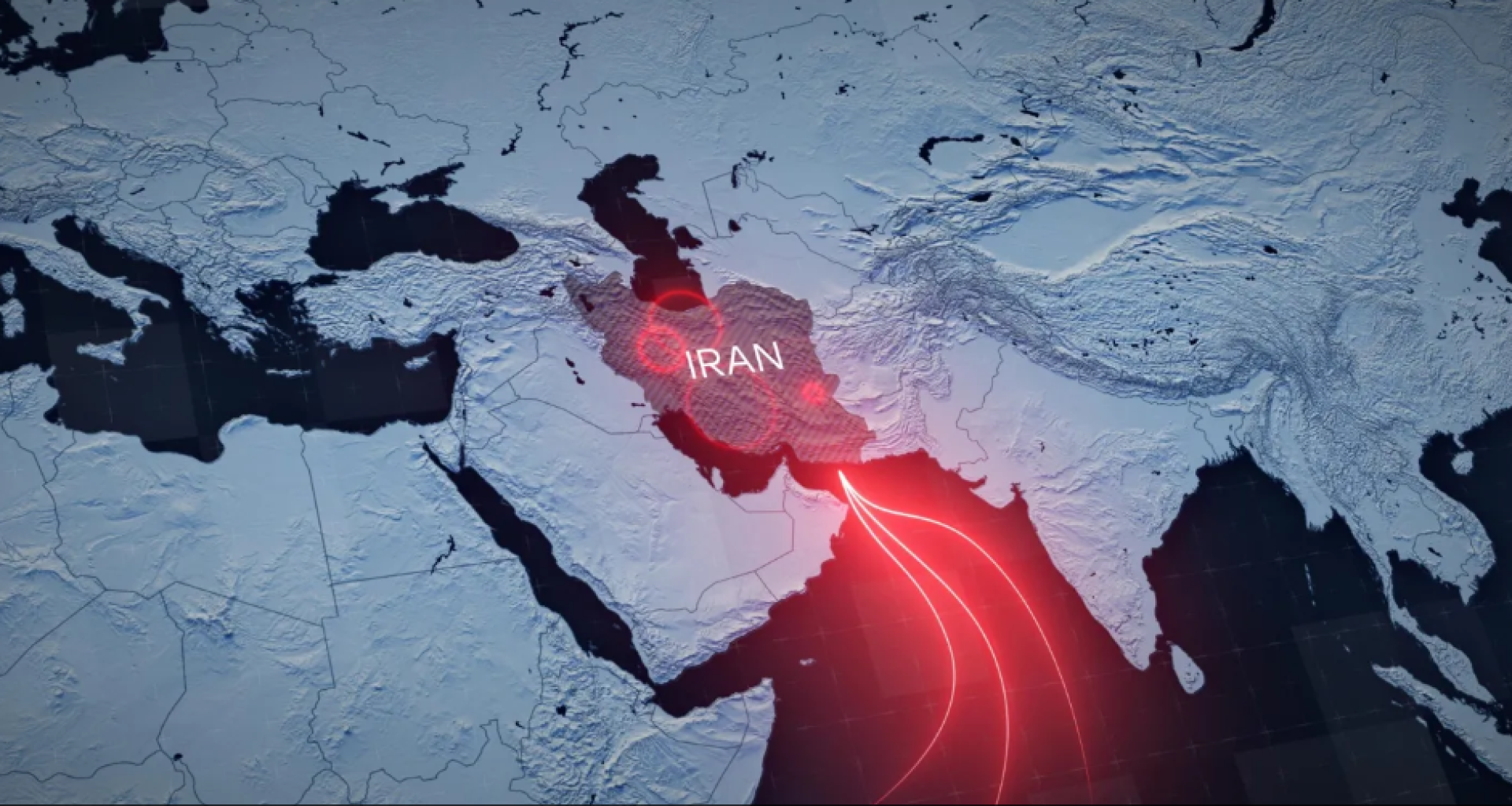
The prolonged disruption around the Strait of Hormuz is intensifying global concerns over energy security, as governments and industries reassess the resilience of international oil and gas supply chains.
Energy analysts and industry experts said this week that tensions surrounding the strategic waterway are likely to have long-term implications for global energy markets, even if diplomatic negotiations lead to a reopening of the route in the coming months.
The discussions took place during the release of the 2025 Oil and Gas Industry Development Report in London, where energy executives warned that the disruption has already affected production, refining operations and international shipping across parts of the Gulf region.
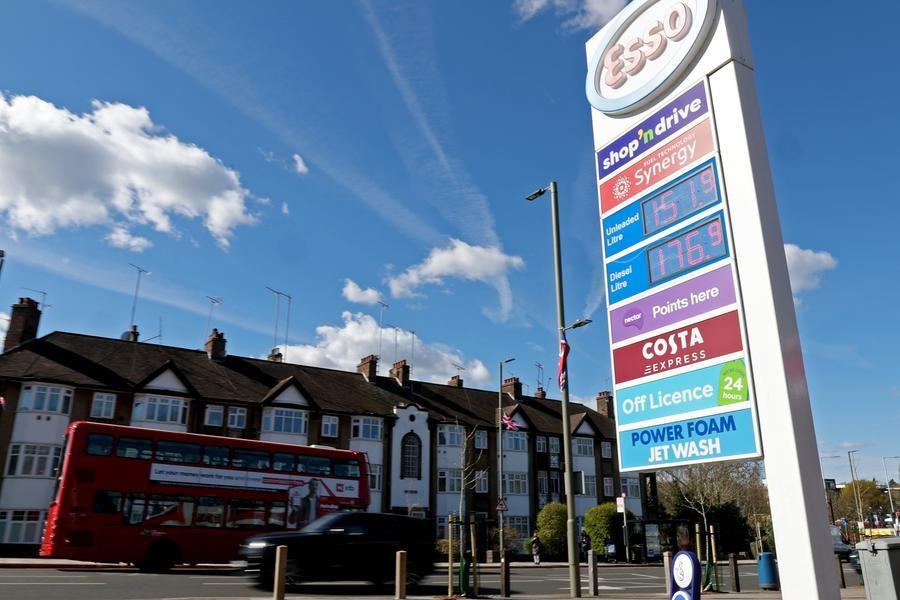
Gas prices are displayed at a petrol station in London, Britain, March 26, 2026. (Li Ying)
Dave Ernsberger, president of S&P Global Energy, said the scale of the disruption has surprised energy markets. “The current conflict around the Strait of Hormuz has surprised everybody,” Ernsberger said. “We've gone from a situation where it was impossible to imagine the Strait being closed to a world where today it's almost impossible to imagine how the Strait can reopen.”
According to analysts, around 20 percent of global oil and gas supplies previously passing through the Strait of Hormuz have been disrupted during the crisis. Experts said the prolonged disruption has affected crude oil production, liquefied natural gas facilities and refining operations in several Gulf countries. “When the Strait of Hormuz was closed for just a couple of days, production could rebound very quickly and shipping could resume very quickly,” Ernsberger said. “But now that the Strait has been closed for almost three months, restarting production will take much longer.”
Simon Henry, former chief financial officer of Shell, said some energy facilities in the Gulf had already sustained damage during the crisis. “There has been some damage to facilities, particularly in Qatar and the Emirates,” Henry said.
Industry analysts added that the disruption is also contributing to broader discussions around energy diversification and long-term supply resilience. “In the past, conversations around renewable energy were focused more on sustainability,” Ernsberger said. “Now there is a much closer examination being done of the security structures around energy supplies.”
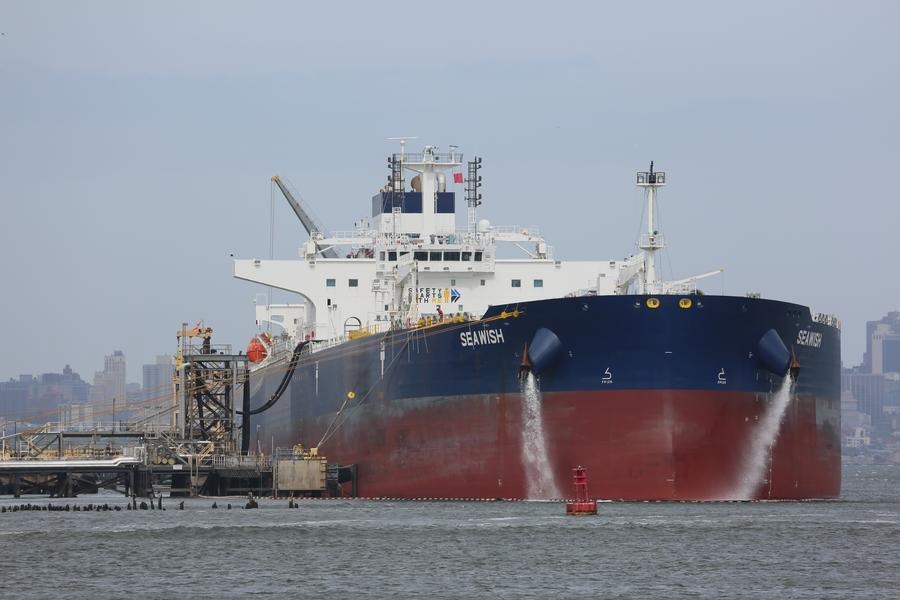
A crude oil tanker is seen at the Port of New York and New Jersey, the United States, on April 29, 2026. (Zhang Fengguo)
Experts further warned that even under an optimistic scenario, global oil and gas markets may still require several months to stabilise after any reopening of the Strait of Hormuz.
The Strait of Hormuz remains one of the world’s most strategically important shipping routes, carrying a significant share of international oil and gas exports between the Gulf and global markets.