
Ebola Restrictions Paralyse Cross Border Economy in Goma
Thursday 28 May 2026 - 01:04pm
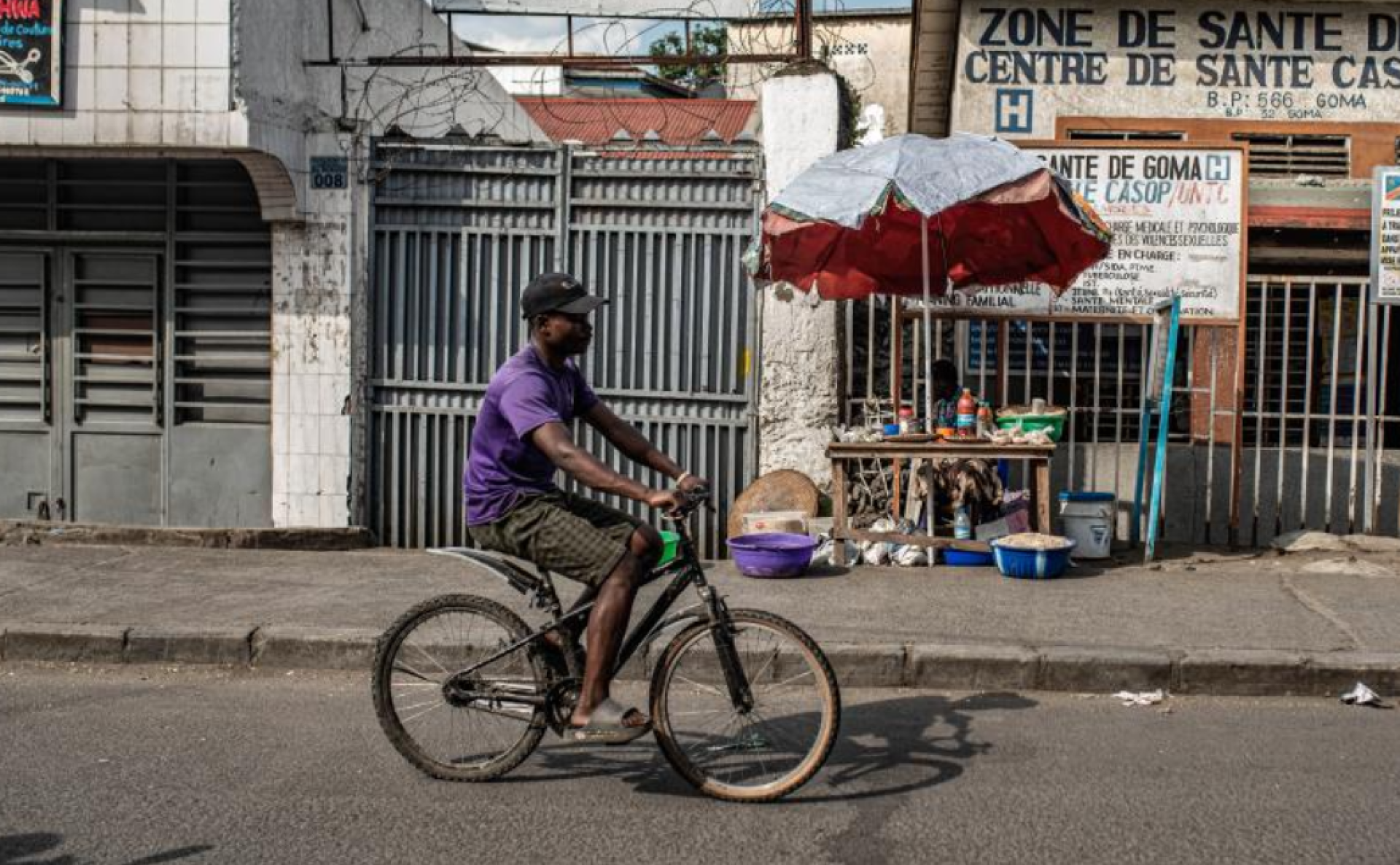
The Ebola outbreak in eastern Democratic Republic of the Congo is increasingly evolving into an economic crisis for thousands of people living along the Rwanda DRC border, where trade, transport and informal business activity have slowed sharply following new border restrictions.
At the Grande Barriere crossing in Goma, usually crowded with traders, travellers, porters and motorbike taxis moving between the DRC and Rwanda, businesses are now operating under significantly reduced activity after Rwanda tightened controls following confirmed Ebola cases in the city.
The restrictions were introduced on 17 May, shortly after the outbreak was declared, with only Congolese and Rwandan nationals returning to their respective countries permitted to cross. For many residents in Goma, the border crossing is not only a transit route but a source of daily survival.
“The sales have taken a huge hit,” said Dieumerci Shabani, who sells eggs near the Grande Barriere crossing. “Most of our customers are travellers and cross-border traders,” Shabani said. He previously sold up to five trays of eggs per day, but now struggles to sell two.
Motorbike taxi drivers operating near the border also say reduced movement has severely affected their incomes. “We are forced to reduce transport prices because fewer and fewer people need to move,” said driver Murhula Munguiko. “Sometimes we take unprofitable trips for lack of clients.”
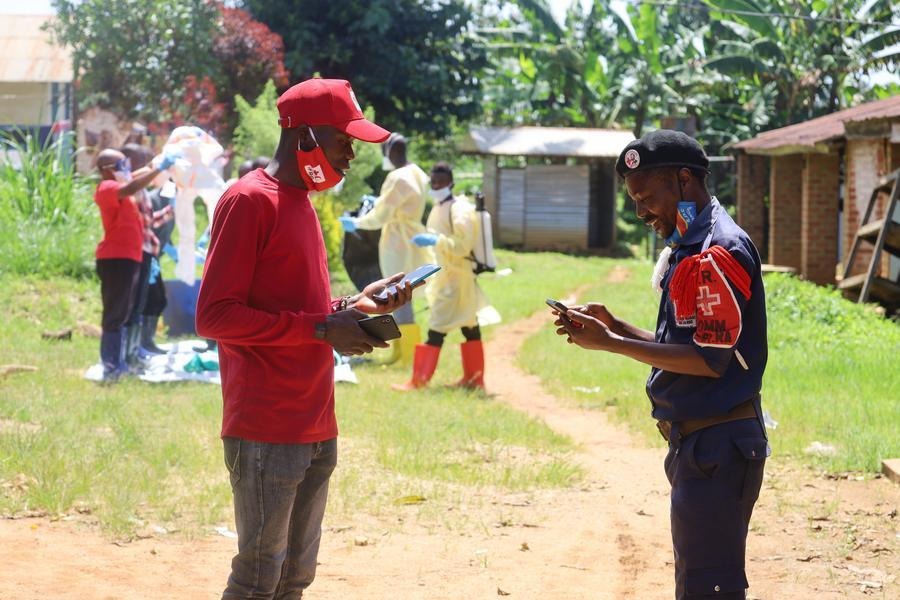
A volunteer talks to a policeman about Ebola prevention in Mongbwalu, Ituri province, the Democratic Republic of the Congo, May 24, 2026.
Traders dealing in imported products say supply chains have also been disrupted, contributing to shortages and rising prices in local markets.“We don't know how to get supplies of manufactured products such as energy drinks because of the border closure,” said trader Justin Kasereka. “It is handicapping us and leading to price speculation.”
Economist Alphonse Muanda said the economies of Goma and the neighbouring Rwandan city of Gisenyi remain deeply interconnected through informal trade and the daily movement of goods and people. “When the DRC and Rwanda each decide to close the border, those who depend on trade in rice, soap and other goods are directly affected,” Muanda said. The restrictions come as health authorities continue battling an Ebola outbreak caused by the Bundibugyo strain, a rare form of the virus for which there is currently no licensed vaccine or specific treatment.

According to the DRC Ministry of Health, more than 1,000 suspected Ebola cases and over 200 suspected deaths have been recorded since the outbreak was declared earlier this month. The World Health Organization has warned that insecurity, displacement and cross-border population movement continue complicating efforts to contain the outbreak.
For residents living around the Grande Barriere crossing, however, the immediate concern remains the economic uncertainty created by the restrictions. “Before, people crossed and bought,” Shabani said. “Now everything has slowed.”