
Brazil Pushes Investment and Critical Minerals Agenda at G7 Talks
Monday 18 May 2026 - 02:36pm
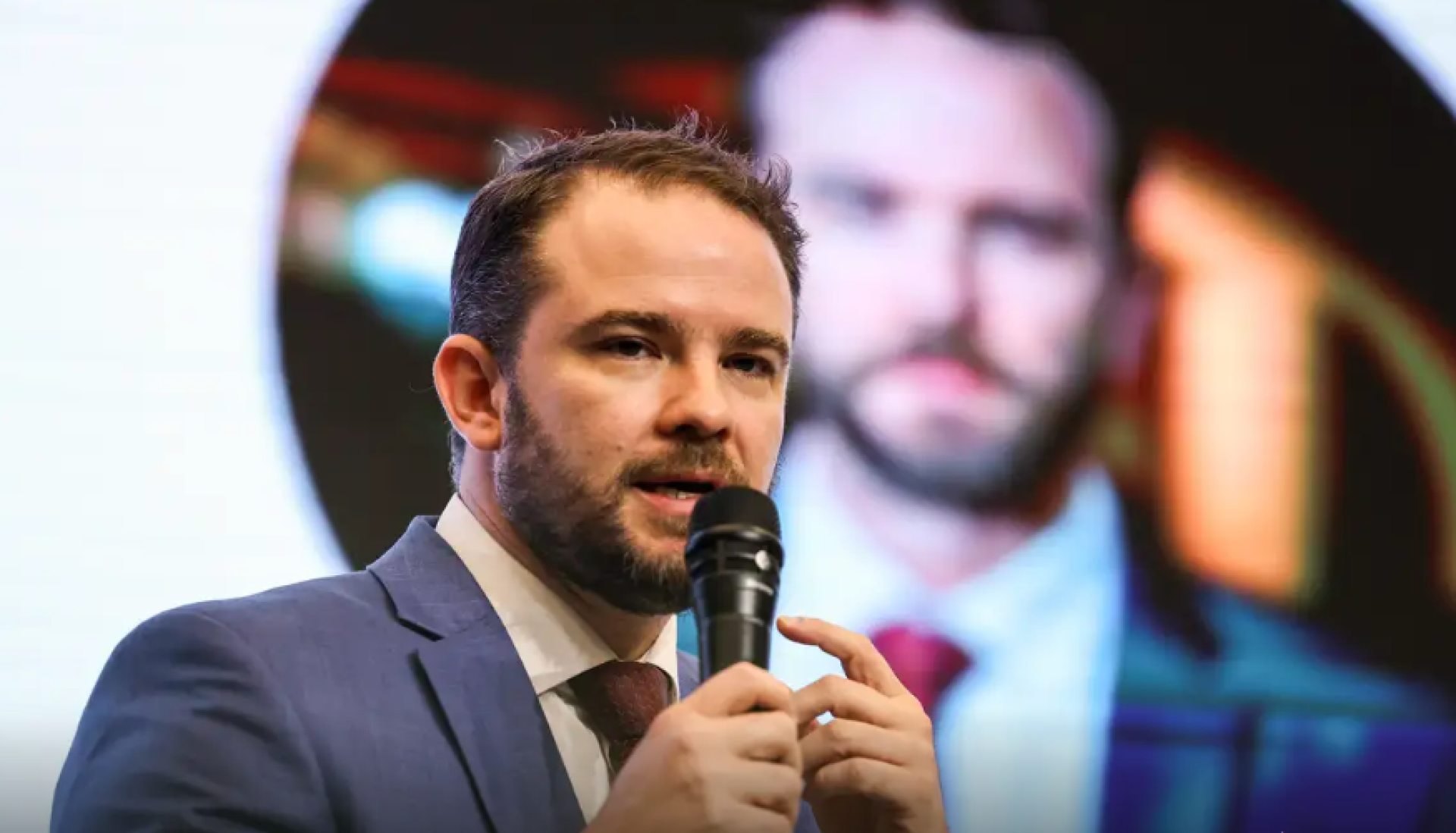
Report by Brasil 247
Brazil is using this week’s G7 meetings in Paris to position itself as a strategic destination for foreign investment and critical minerals development, while also raising concerns about the economic impact of ongoing instability in the Middle East on developing economies.
Brazilian Finance Minister Dario Durigan said the meetings provided an opportunity for Brazil to engage with major economies on inflation, fuel prices and global economic uncertainty linked to the conflict in the Persian Gulf.
“We have been leading a global debate about the effects of the war around the world, in Brazil and in Latin America, but it has also been important to hear ministers and leaders from other countries who are experiencing the impact of the war from a different perspective,” Durigan said during meetings in the French capital.
The minister said discussions with Gulf countries attending the G7 meetings had also helped Brazil better understand regional perspectives surrounding the conflict and its broader economic implications.
Global oil prices and supply chain disruptions linked to tensions in the Middle East have placed growing pressure on fuel-importing economies across Latin America, Africa and parts of Europe, contributing to inflation concerns and rising transport costs.
Durigan said Brazil has been studying how other governments are responding to the economic effects of the conflict.
“I recently spoke with Portuguese, Spanish and German authorities during the trip with President Lula, and we were able to see how they are dealing with the war in a very similar way to Brazil, through limited subsidies and tax reductions on some fuels that affect global and domestic inflation,” he said.
(Photo Credit: Global Times)
Alongside geopolitical concerns, Brazil is also using the meetings to promote itself as a stable destination for international capital and industrial investment.
Durigan said the government intends to showcase economic reforms and investment programmes designed to strengthen investor confidence, including Brazil’s Eco Invest initiative.
“A forum such as the G7 allows us to present how we have improved Brazil’s economic situation from a macroeconomic perspective, with the indicators we have been showing, while also presenting new programmes such as Eco Invest in detail so that they can be promoted within their countries as opportunities to invest in Brazil,” he said.
The minister also pointed to the relative stability of Brazil’s currency and the performance of the country’s financial markets despite recent volatility affecting global markets.
“The debate about the Brazilian economy, how stable our currency is, and how the Brazilian stock market, despite suffering in recent weeks as markets around the world have, has still responded positively to investment, shows that Brazilian assets remain attractive and relatively inexpensive,” Durigan said.
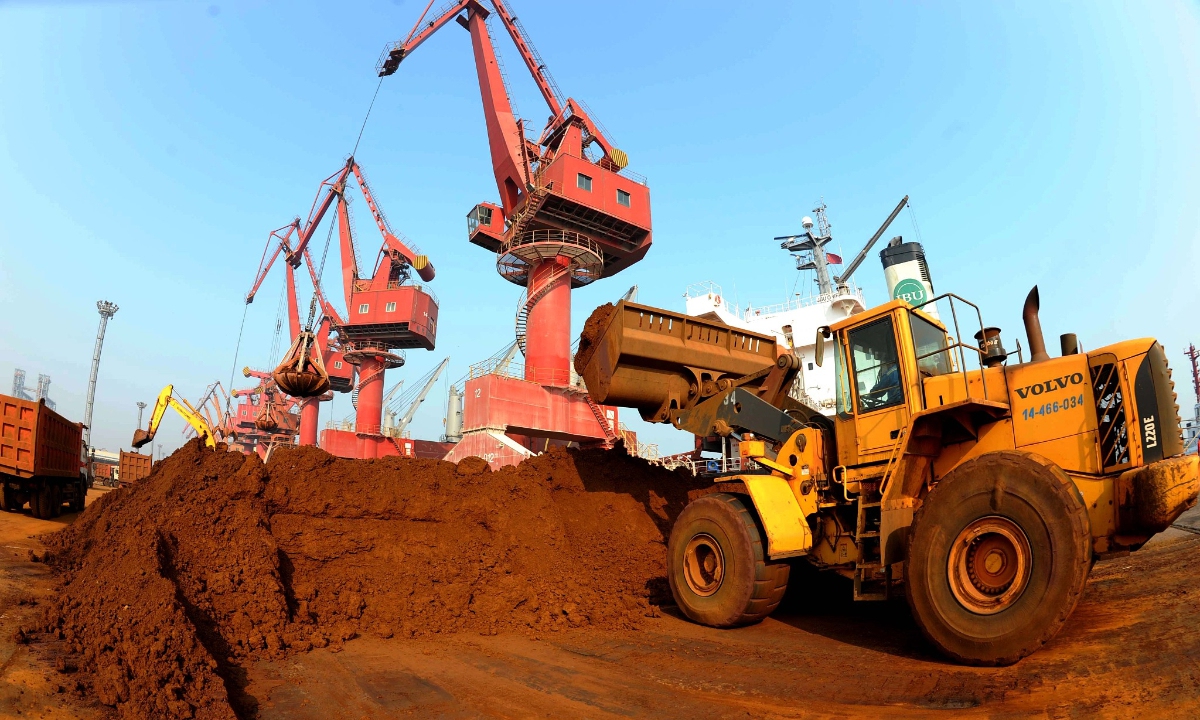
Critical minerals emerged as another central issue during Brazil’s participation in the meetings, as countries increasingly compete for access to resources needed for renewable energy technologies, battery production and advanced manufacturing.
Durigan said countries including France had shown growing interest in Brazil’s mineral reserves and industrial potential.
Brazil recently approved legislation in the Chamber of Deputies aimed at strengthening state control over critical minerals while encouraging industrial processing within the country rather than relying solely on raw exports.
“Brazil recently approved a new law on critical minerals in the Chamber of Deputies that establishes two major principles: sovereignty, reaffirming that the Brazilian Union owns these critical minerals, and the promotion of industrialisation of these resources in Brazil, moving away from the historical model of merely exporting critical minerals,” Durigan said.
He added that Brazil wants foreign investment to contribute to domestic job creation and technology transfer rather than simply resource extraction.
“If there is French, German or American capital interested in investing in this sector, it should happen in Brazil, generating jobs in Brazil and sharing technology with Brazilian universities. That is our guideline,” he said.
The discussions reflect broader global competition over strategic minerals such as lithium, nickel and rare earth elements, which are increasingly viewed as critical to the global energy transition and industrial supply chains.
For Brazil, officials say the challenge will be balancing foreign investment with industrial development and national control over strategic resources, as governments across the Global South seek greater economic value from their natural resources.