
Africa weighs China’s zero-tariff policy as trade opportunities grow
Monday 18 May 2026 - 06:55pm
Sello Lentsoane, NNA News | Pretoria, South Africa
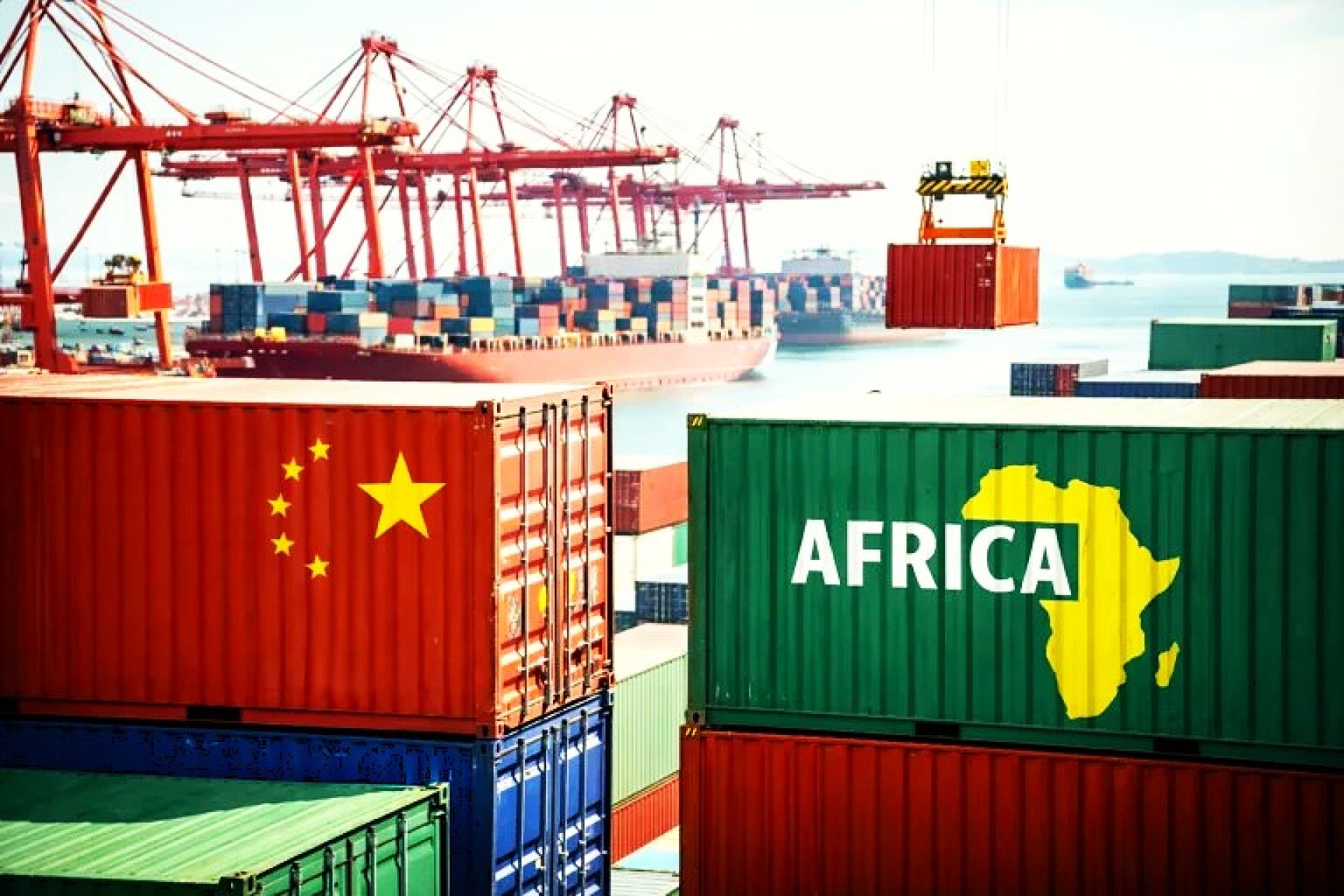
China’s extension of zero-tariff treatment to 53 African countries could boost exports from the continent, but analysts say the policy’s impact depends on whether African nations can scale up production, improve logistics and meet export standards.
The new zero tariffs were discussed at an online seminar hosted by the Sino-SA Media Club in Pretoria on Friday. It applies to African countries with diplomatic relations with Beijing and removes tariffs on goods from those states entering China. The measure is expected to lower costs for African exports and support intra-African trade under the African Continental Free Trade Area (AfCFTA).
Trade between China and Africa reached $348 bn in 2025, according to figures presented at the seminar.
Chinese Ambassador to South Africa Wu Peng told participants the move reflects Beijing’s commitment to long-term trade cooperation with the continent.
“The decision to grant zero tariffs to 53 African countries sends a very clear message: China is ready to leverage its huge market to provide long-term, stable and sustainable opportunities for Africa’s development,” Wu said.
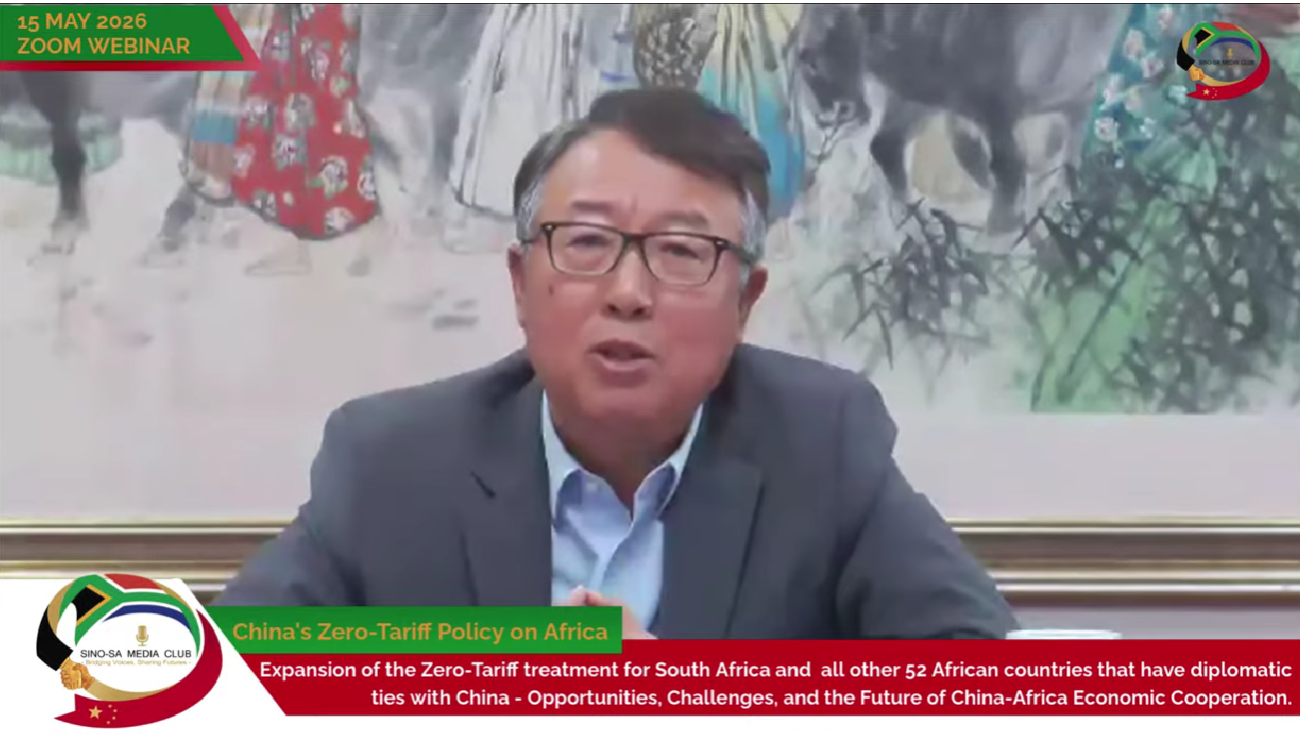
Chinese Ambassador to South Africa Wu Peng speaks during the Sino-SA Media Club webinar on China’s zero-tariff policy, 15 May 2026. (Sino-SA Media Club/Screenshot)
He said China would streamline customs and quarantine procedures for African agricultural and food products to speed up market access.
“China will further improve the ‘green channel’ for African agricultural and food products to enter China and speed up quarantine and market access procedures,” he said.
South African exports, including citrus, wine, nuts and tea, are among the products expected to benefit from reduced costs.
Economists at the seminar said the tariff cut could also support regional manufacturing and intra-African trade if production capacity and infrastructure improve.
Professor Gabila Nubong of North-West University said the policy could encourage cross-border cooperation on export production but warned that tariff reductions alone would not drive industrial growth.
“A caveat to China’s welcome tariff shift is the reality that tariff alleviation does not equate to trade-related transformation,” Nubong said.
He added that many African economies still face challenges in manufacturing, infrastructure and meeting Chinese export standards.
“Even if the export of chocolate or batteries were now tariff-free, if African countries cannot produce these goods. To at least the Chinese export standards, then the tariff change would not have any impact,” he said.
Illustration: Modern Ghana
Participants highlighted that the policies' long-term success will depend on expanding manufacturing, improving logistics and increasing value-added exports.
While Ambassador Wu, stressed that China and African countries should continue supporting multilateral trade cooperation amid rising global uncertainty.
“Unilateralism and protectionism are rising, and the stability of global industrial and supply chains faces growing pressure,” he explained.