
Sudan’s Nile Fishermen Return as Khartoum Slowly Recovers From War
Tuesday 19 May 2026 - 09:44am
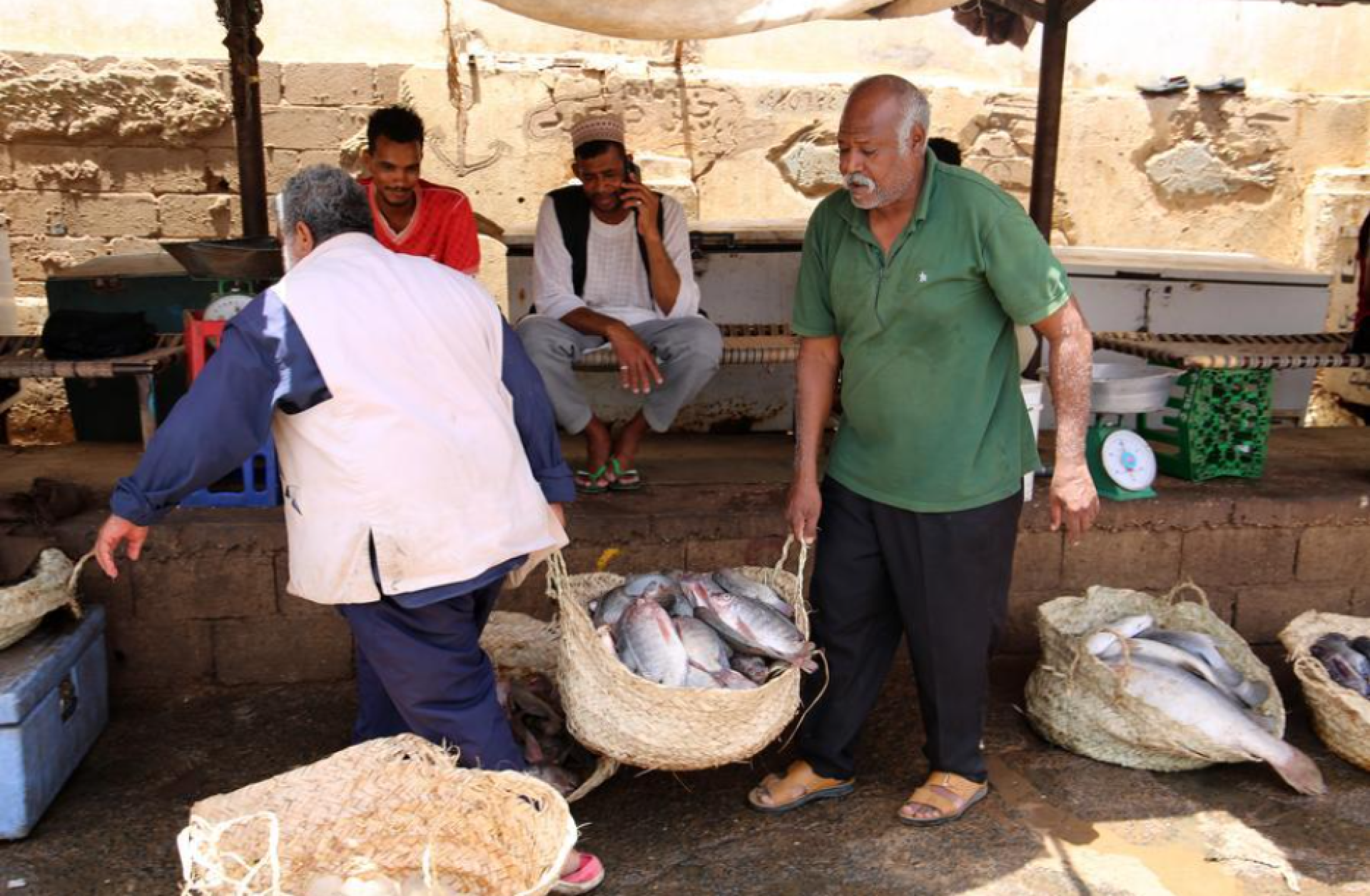
Along the banks of the Nile in Sudan’s capital, fishermen are slowly returning to the water as parts of Khartoum begin showing signs of recovery after years of war disrupted daily life across the city.
At Omdurman’s Al-Mawrada fish market, traders are once again selling fresh fish after months of insecurity, road closures and fighting forced many businesses to shut down.
For fishermen like Abdullah Ali, returning to the Nile is not only about income, but about rebuilding a life interrupted by conflict.
“The Nile taught us patience. No matter how life stops, people always return to it in the end,” Ali said while repairing an old fishing net on his small wooden boat.
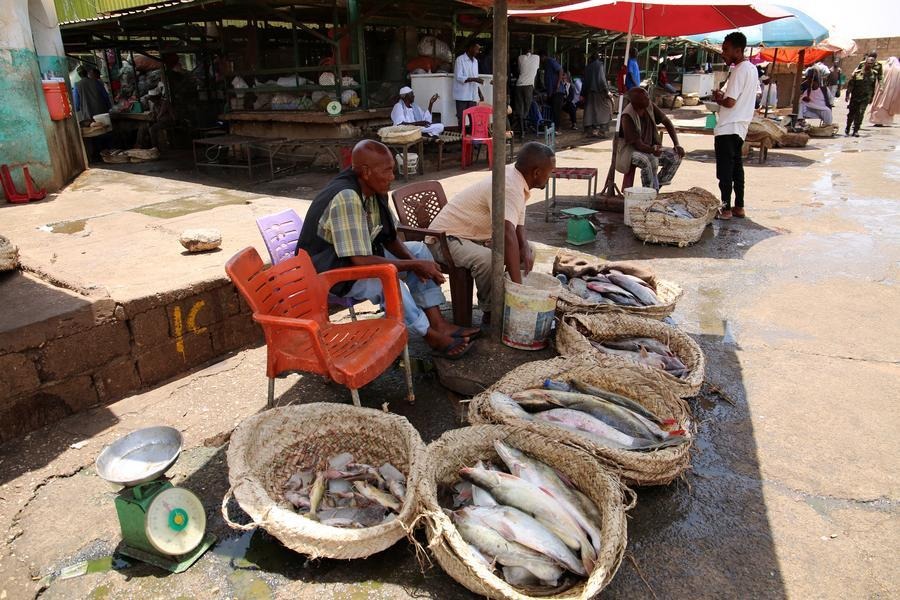
Vendors sell fish at Al-Mawrada fish market in Omdurman, Sudan, May 13, 2026. (Photo by Mohamed Khidir, NNA News)
The conflict, which erupted in 2023 between Sudan’s government army and a paramilitary force, forced thousands of people to flee Khartoum and surrounding areas as shelling, insecurity and collapsing services spread across the capital.
For months, many fishermen were unable to access the river.
“There were days when we couldn’t even get close to the Nile,” Ali said. “We heard clashes from every direction, and people were focused only on surviving and securing food and water.”
During the fighting, Ali survived by taking temporary jobs away from the river.
“I felt like I was living someone else’s life,” he said.
As security conditions improved in parts of Khartoum, fishermen gradually returned to repair boats and resume work along the Nile.
“When I returned to the Nile for the first time, I felt as though I could breathe again,” Ali said. “The war took many things from us, but being here makes us feel that life is still possible.”
The return of fishing activity also comes as many Sudanese families struggle with rising food prices and worsening economic conditions.
In Khartoum, red meat has become too expensive for many households, pushing more residents towards cheaper alternatives such as fish.
According to traders at Al-Mawrada market, beef is currently selling for around 30,000 Sudanese pounds per kilogramme, while lamb costs roughly 40,000 Sudanese pounds.
Fish prices remain lower, with tilapia selling for around 8,000 Sudanese pounds, bayad for approximately 15,000, and Nile perch for close to 20,000.
“People no longer ask much about the type or size,” Ali said. “What matters is finding something to feed their children.”
At Al-Mawrada market, traders say the reopening of businesses has brought a sense of relief after nearly three years of disruption.
“This market used to be one of the busiest places in Omdurman,” said fish trader Abbas Mohamed Idris.
“People arrived before sunrise, and fishermen unloaded their catch directly here. But the war stopped almost everything.”
Idris said unsafe roads and insecurity made it difficult for traders and customers to reach the market during the conflict.
“When I reopened my shop, it felt like I was starting life all over again,” he said. “For us, this place is not just a market, it’s the livelihood of dozens of families that endured very hard years.”
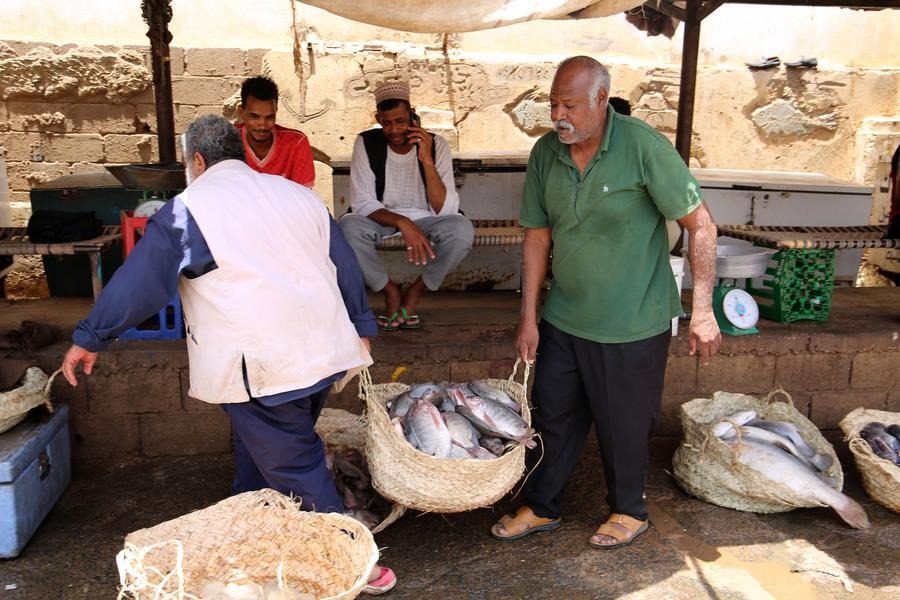
Two men carry a basket full of fish at Al-Mawrada fish market in Omdurman, Sudan, May 13, 2026. (Photo by Mohamed Khidir, NNA News)
Despite ongoing challenges including unreliable electricity, damaged roads and high fuel prices, traders say buyers are gradually returning.
Nearby, shopper Mohamed Ali Nour carried a small bag of fish home for his family after visiting the market.
“The fact that Al-Mawrada market is alive again after years of war makes people feel the city is slowly healing,” he said.
“During the war, Omdurman and Khartoum felt as if life had completely stopped.”
Sudanese economic expert Mamoun Al-Tayeb said the return of fishing activity reflects how communities adapt during periods of crisis.
“When traditional markets reopen and boats return to the Nile, it shows people are regaining confidence in daily life,” Al-Tayeb said.
Since May 2025, Sudanese government forces have regained control of large parts of Khartoum, allowing some residents to gradually return to sections of the capital.
For many families along the Nile, the recovery remains slow and uncertain. Yet for fishermen returning to the water each morning, the river continues to represent survival, memory and the hope of normal life returning to the city.