
South Africa Expands FMD Vaccine Rollout Amid Farmer Pressures
Monday 01 June 2026 - 02:25pm
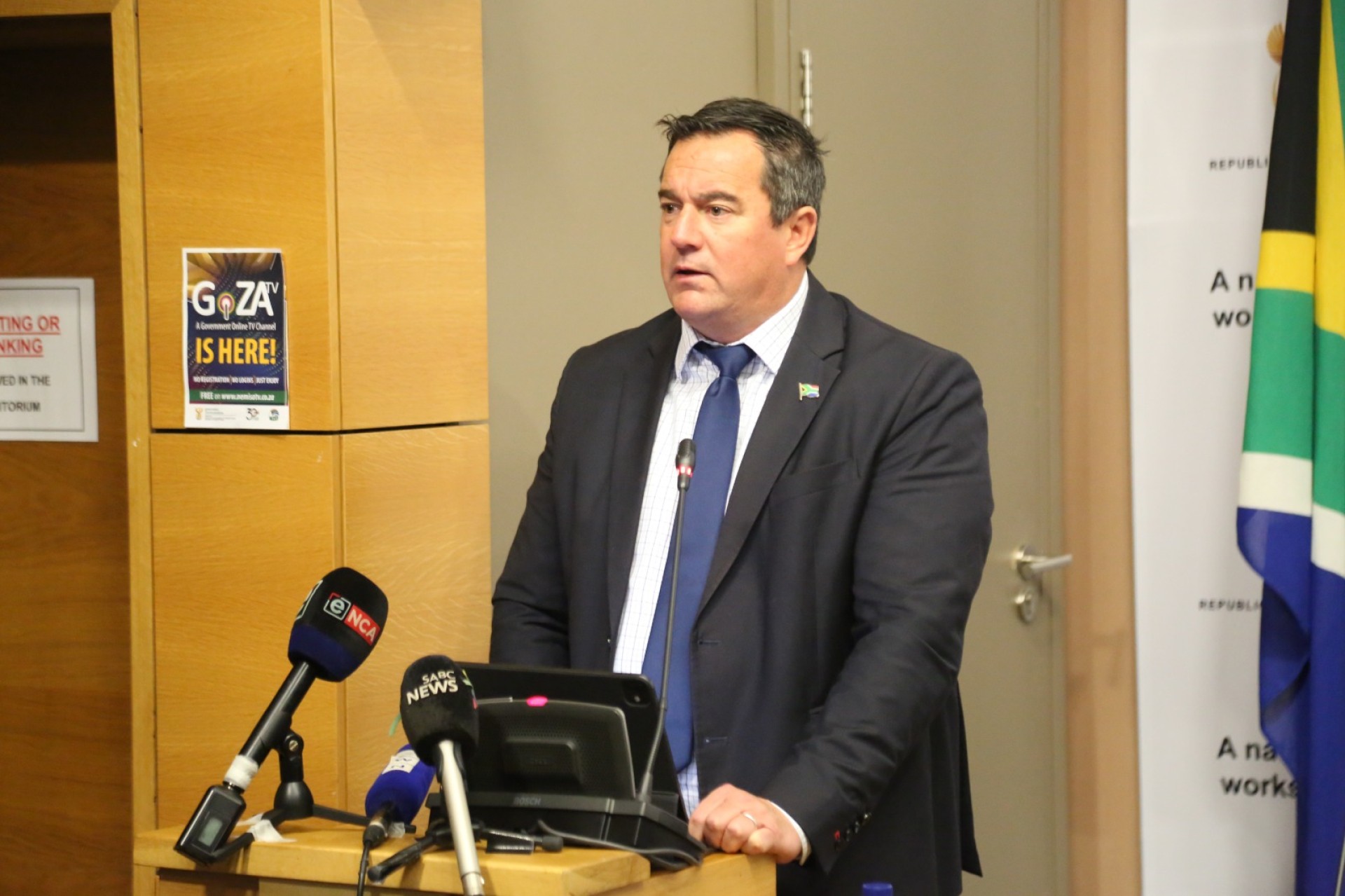
South African Agriculture Minister John Steenhuisen addresses Parliament in Cape Town during a briefing on foot-and-mouth disease, climate pressures and rising agricultural costs. (Photo: NNA News)
South Africa is accelerating the rollout of foot-and-mouth disease (FMD) vaccines through the private sector after a court ruling cleared the way for wider access, Agriculture Minister John Steenhuisen announced on Monday. The push comes as farmers are already dealing with flood damage and rising production costs.
Speaking in Parliament, Steenhuisen explained that expanding vaccine availability had become an urgent priority as authorities try to contain outbreaks of the highly contagious livestock disease. “Our challenge now is getting vaccines into as many animals as quickly as possible,” Steenhuisen said. “To get to that, we need to leverage the private sector to assist with the rollout.”
The shift follows a 23 May ruling by the Gauteng Division of the High Court in Pretoria, which ruled that livestock owners may procure and administer FMD vaccines without state veterinarians. The case was brought by the South African Feedlot Association and three commercial farmers.
Steenhuisen welcomed the judgement and told Parliament that the judgment will help remove bottlenecks, that have slowed vaccination efforts and give more producers access to vaccines when they need them. The court also barred the minister from interfering in commercial transactions involving lawfully imported or manufactured FMD vaccines.
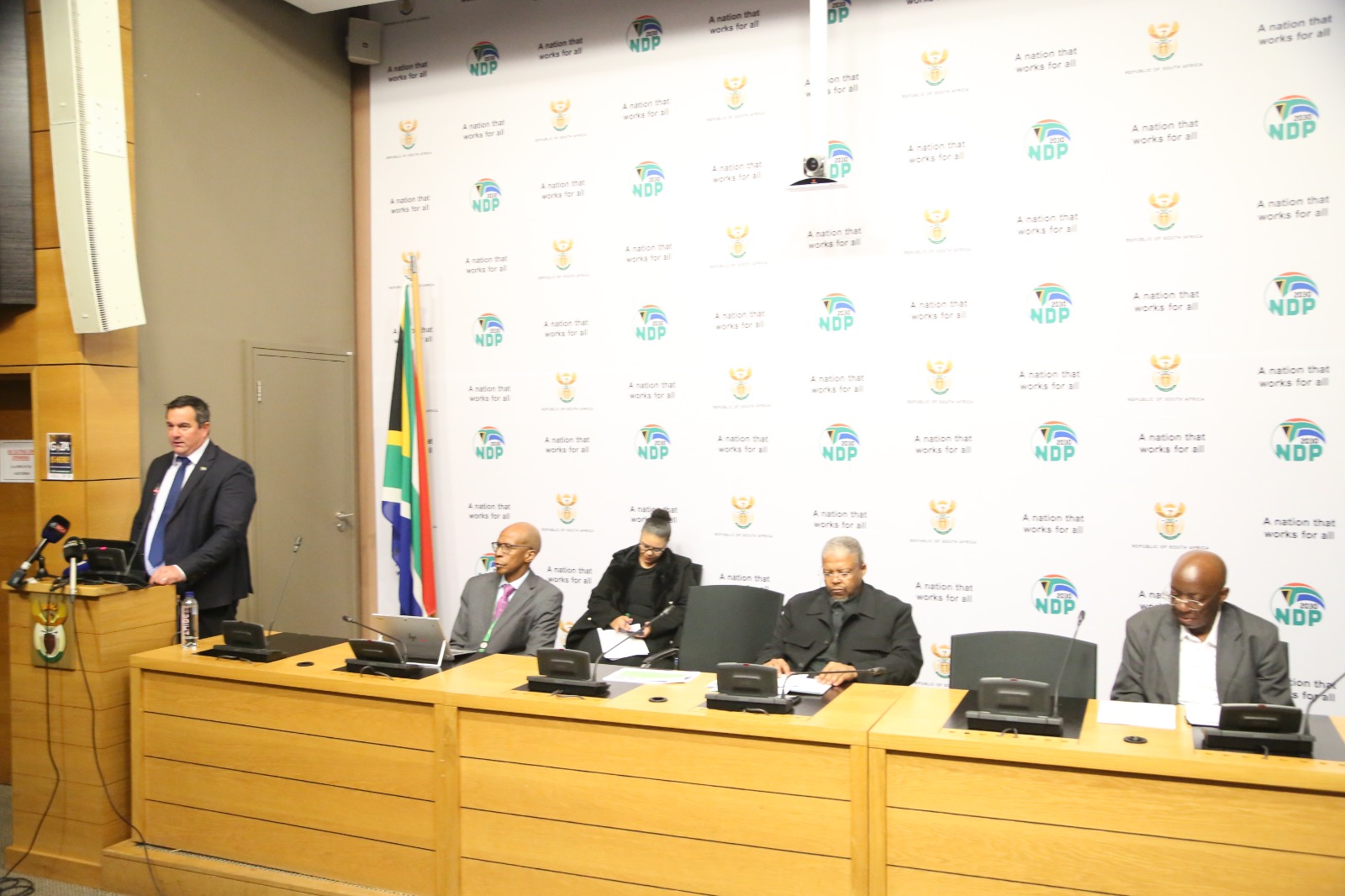
South African Agriculture Minister John Steenhuisen briefs officials and the media in Parliament on challenges facing the agricultural sector. (Photo: NNA News)
With private-sector distributors now expected to join the rollout, Steenhuisen explained that his department intends on vaccinating more animals by end-2026. However, the disease control is only one pressure point. Many farmers are still counting the cost of severe flooding that hit parts of the Western Cape and Eastern Cape last month. The storms damaged roads and other infrastructure, disrupted electricity, and left smaller producers especially exposed.
“The damage in a place like the Gamtoos Valley has been profound,” Steenhuisen detailed. “It’s also affected a number of our small-scale growers who are particularly vulnerable to these shocks.” The floods have sharpened concern about how farmers will cope with climate disasters, which are becoming more frequent and expensive.
Steenhuisen added that, relying on government disaster relief alone was not sustainable. He therefore, informed Parliament of plans for a blended insurance model that would share costs between the state and producers. “Current agricultural insurance is often out of reach for our small-scale family farmers and even some mid-scale farmers,” he said. “One of the things we have to prioritise is looking at a blended financing model for agricultural insurance."
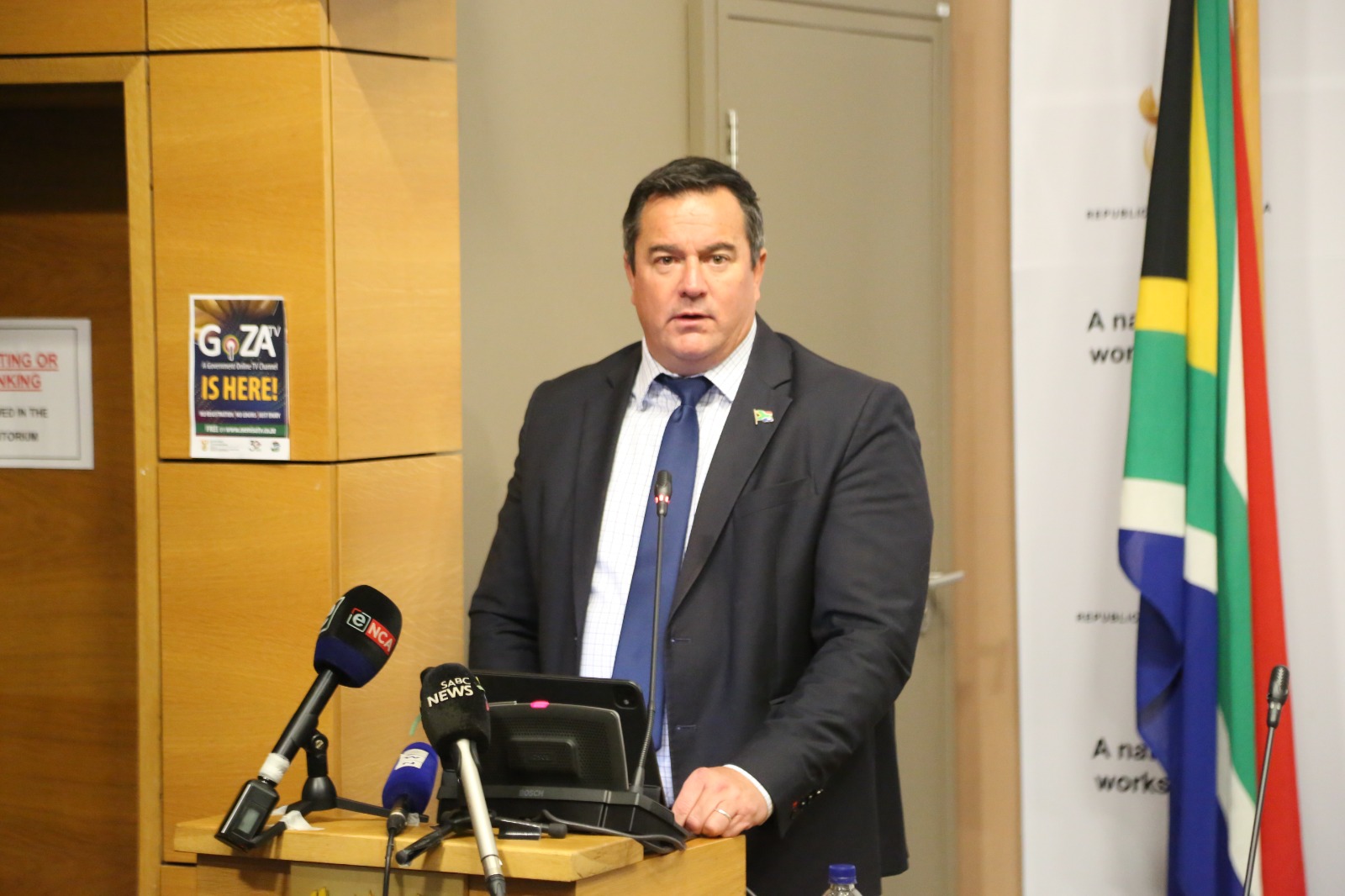
Agriculture Minister John Steenhuisen speaks during a parliamentary briefing on South Africa’s response to foot and mouth disease outbreaks. (Photo: NNA News)
Input costs are adding to the strain. Grain SA has warned that instability in the Middle East, particularly involving Iran, has increased volatility in global fertiliser and fuel markets. As a result of South Africa importing approximately 80% of its fertiliser, local farmers remain vulnerable to supply-chain disruptions and higher transport costs. To soften the damage, the agriculture department added that it's exploring alternatives to conventional fertiliser.
“One of the ways we’re looking at mitigating rising costs is moving away from traditional fertilisers and toward more biologically sensitive products,” Steenhuisen highlighted.
Despite the pressure, agriculture provided a rare bright spot in the labour market. Statistics South Africa’s Q1 2026 Quarterly Labour Force Survey showed the sector added about 10,000 jobs quarter-on-quarter, lifting total employment to roughly 960,000, while the broader economy shed 345,000 jobs and unemployment rose to 32.7%.
Subscribe for more.