
Trump Pushes for Expansion of Abraham Accords Amid Iran Negotiations
Saturday 30 May 2026 - 01:24pm
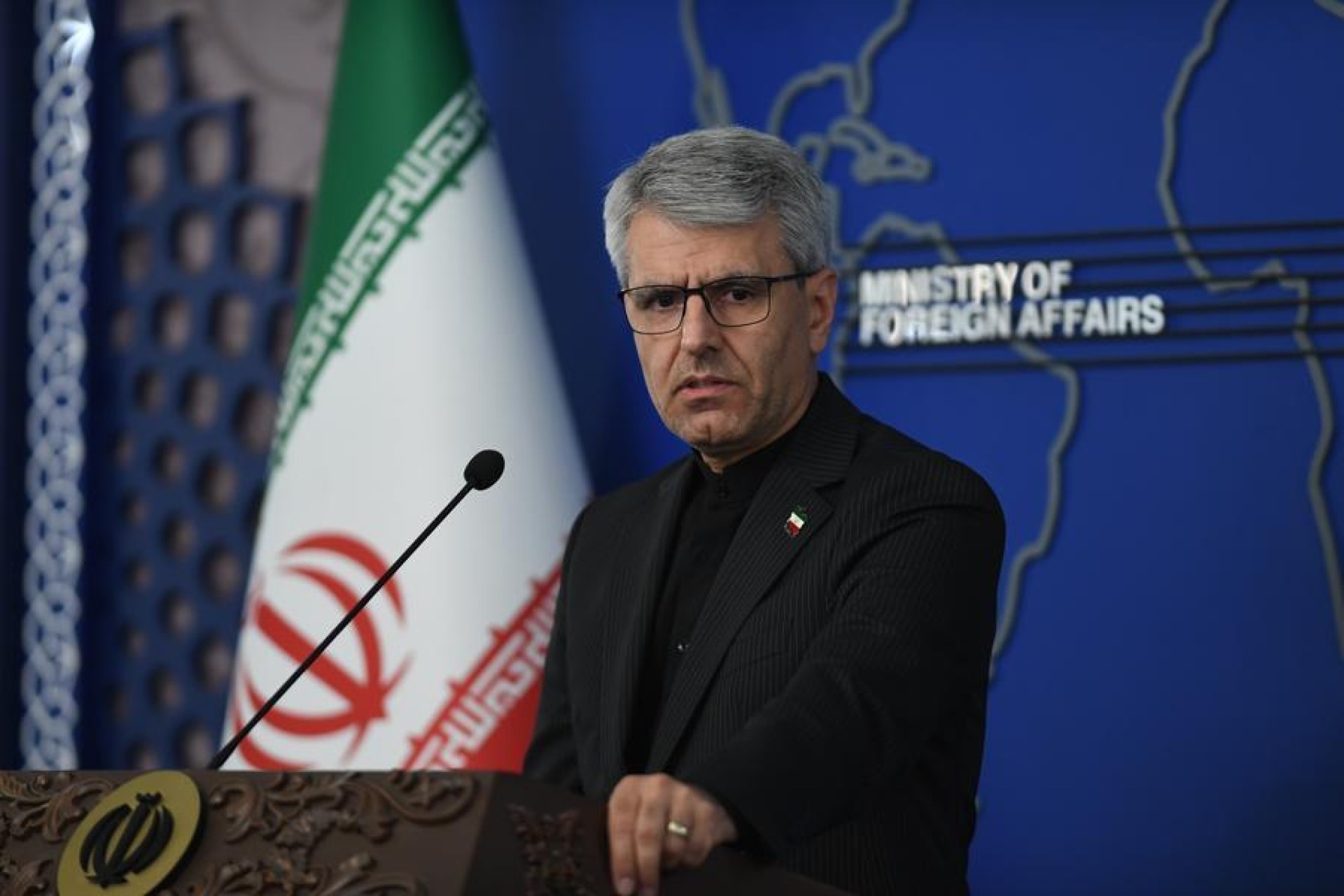
United States President Donald Trump is pushing for an expansion of the Abraham Accords as negotiations between Washington and Tehran enter a critical stage over a possible ceasefire framework, according to analysts and regional observers.
Trump recently floated the idea of extending the normalisation agreements between Israel and several Arab and Muslim countries, including Saudi Arabia, Qatar, Türkiye, Egypt, Jordan and Pakistan.
Pakistan has publicly rejected the proposal, while the other countries mentioned by Trump have not formally responded. The Abraham Accords, launched during Trump’s first presidential term, led to normalisation agreements between Israel, the United Arab Emirates, Bahrain and Morocco in 2020.
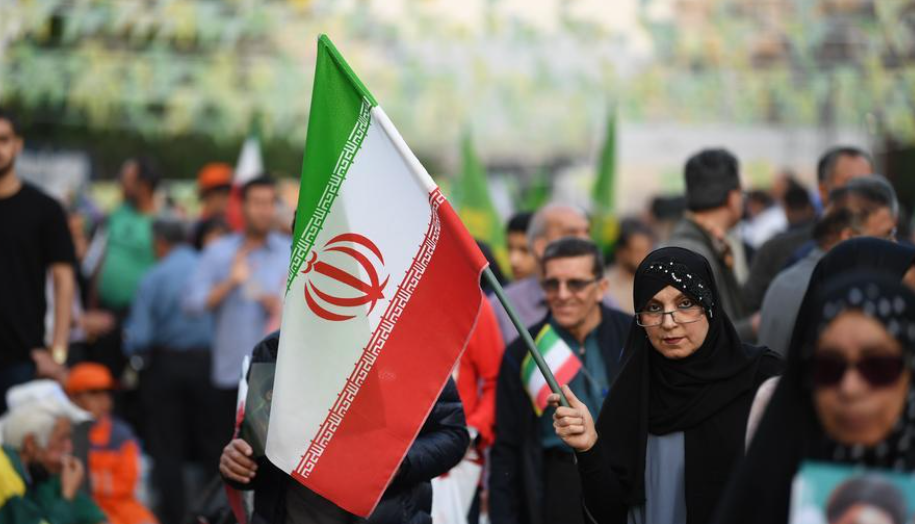
People participate in a rally in Tehran, Iran, April 29, 2026. (Shadati)
Analysts say Trump’s latest push appears linked to both regional diplomacy and domestic political considerations in the United States. “Trump wants voters to see that he not only ended a war but created a broader regional arrangement,” Harel Chorev, a Middle East expert at Tel Aviv University’s Moshe Dayan Center, told the media.
Roee Kibrik, head of research at Israeli think tank Mitvim, said Trump was seeking to present himself domestically as a leader who had both reduced tensions with Iran and advanced regional diplomacy. Analysts also said broader Arab recognition of Israel could strengthen Israeli Prime Minister Benjamin Netanyahu politically amid continued speculation around possible early elections in Israel.
Despite the renewed diplomatic push, regional analysts questioned whether wider expansion of the accords remains achievable under current conditions. Saudi Arabia has repeatedly stated that any normalisation with Israel would require credible progress towards Palestinian statehood.
A Saudi source quoted by Al Arabiya said Riyadh’s position on the Palestinian issue remained unchanged following Trump’s recent remarks. Qatar has also maintained that engagement with Israel should contribute to resolving the Palestinian issue rather than bypassing it.
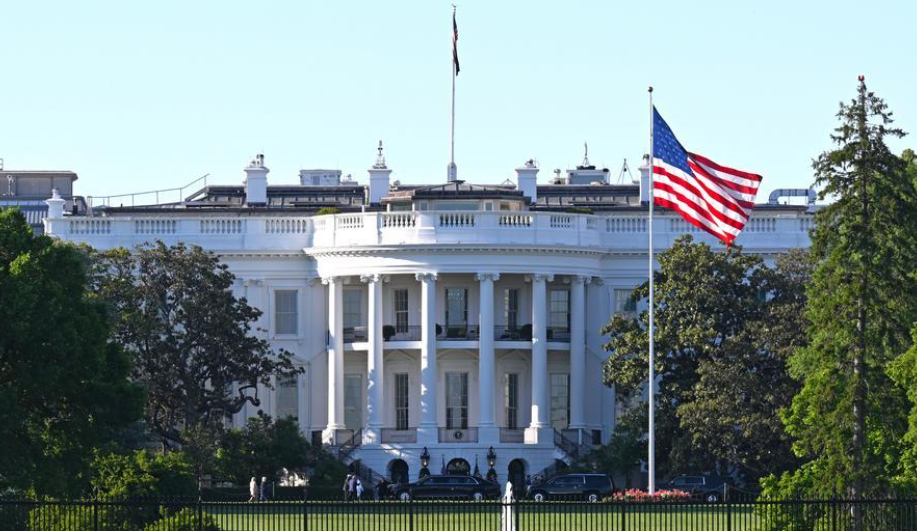
This photo shows the White House in Washington, D.C., the United States, May 11, 2026. (Li Rui)
Pakistan, meanwhile, reiterated its longstanding position that it would not recognise Israel before the establishment of an independent Palestinian state with East Jerusalem as its capital. Türkiye, which suspended ties with Israel following the war in Gaza, is also viewed by analysts as unlikely to improve relations in the near future.
Regional analysts further argued that recent tensions involving the United States, Israel and Iran have reshaped the Middle East security landscape, with countries increasingly seeking strategic flexibility rather than alignment with a single external power. “Simply broadening such agreements is unlikely to address the underlying drivers of instability or resolve the region’s deeper structural tensions,” researcher Abdulaziz Alshaabani told the media.