
Egyptian Translator Says Chinese Literature Opened a New Cultural Dialogue Across the Arab World
Saturday 30 May 2026 - 04:13pm
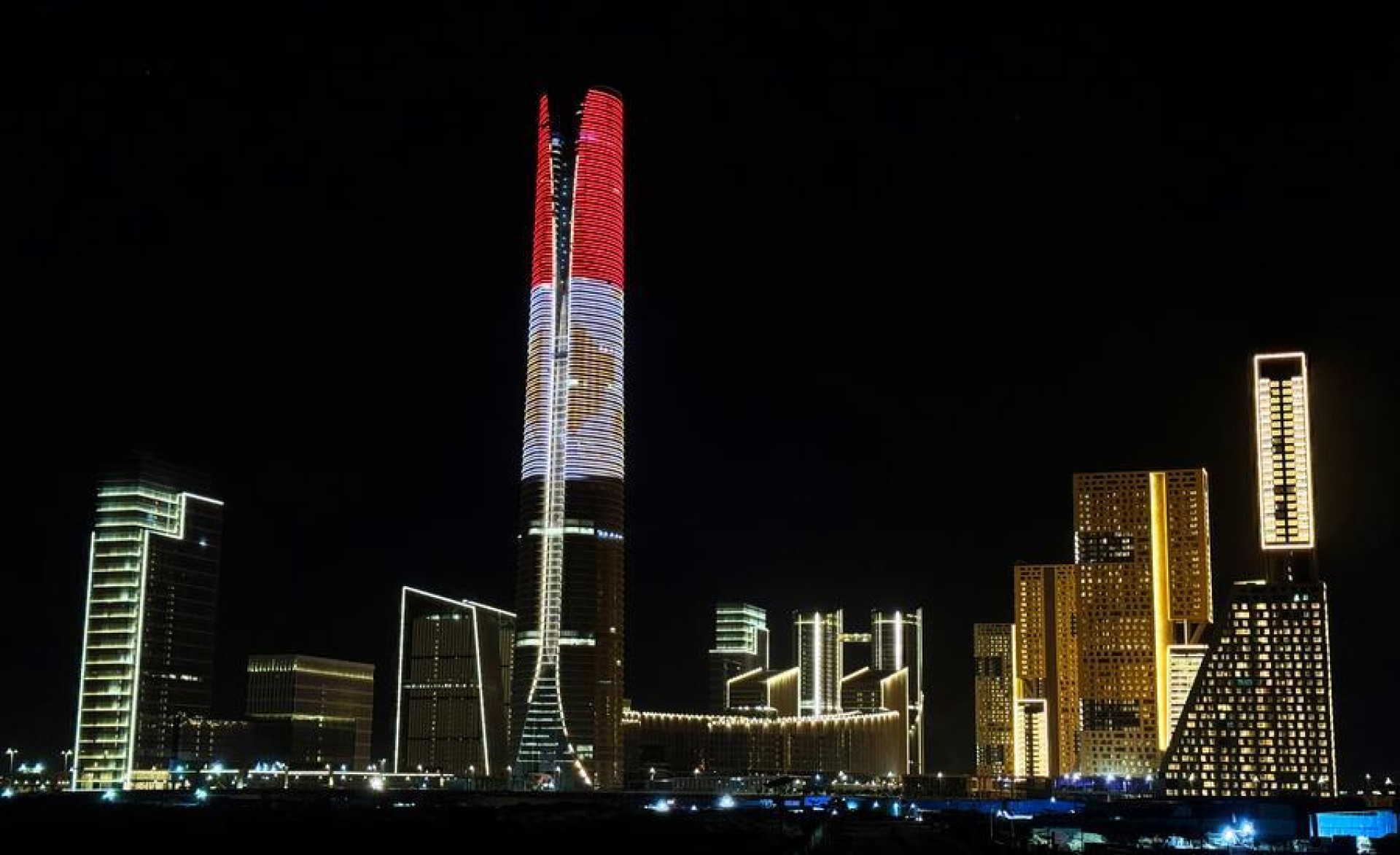
This photo, taken on Oct. 21, 2024, shows a night view of the Central Business District (CBD) of Egypt's new administrative capital, east of Cairo, Egypt. (Wang Dongzhen)
Egyptian translator and sinologist Ahmed al Saeed says his journey translating Chinese literature into Arabic became more than a professional pursuit, evolving instead into what he described as a broader cultural conversation between China, Egypt and the wider Global South.
Writing in a personal essay published on Friday, al Saeed reflected on how his early studies of the Chinese language at Al Azhar University in Cairo gradually developed into a deeper engagement with Chinese literature, philosophy and development thought.“At the time, China still felt distant and unfamiliar to many Arabs,” al Saeed wrote, adding that Chinese culture was often narrowly associated with trade and manufacturing rather than literature or philosophy.
Al Saeed said his understanding of China shifted after travelling there and reading Chinese works outside formal academic study. One publication that particularly influenced him was The Reader, a Chinese literary magazine featuring reflections on family, memory and everyday life. “It was a living voice. A human voice,” he wrote.
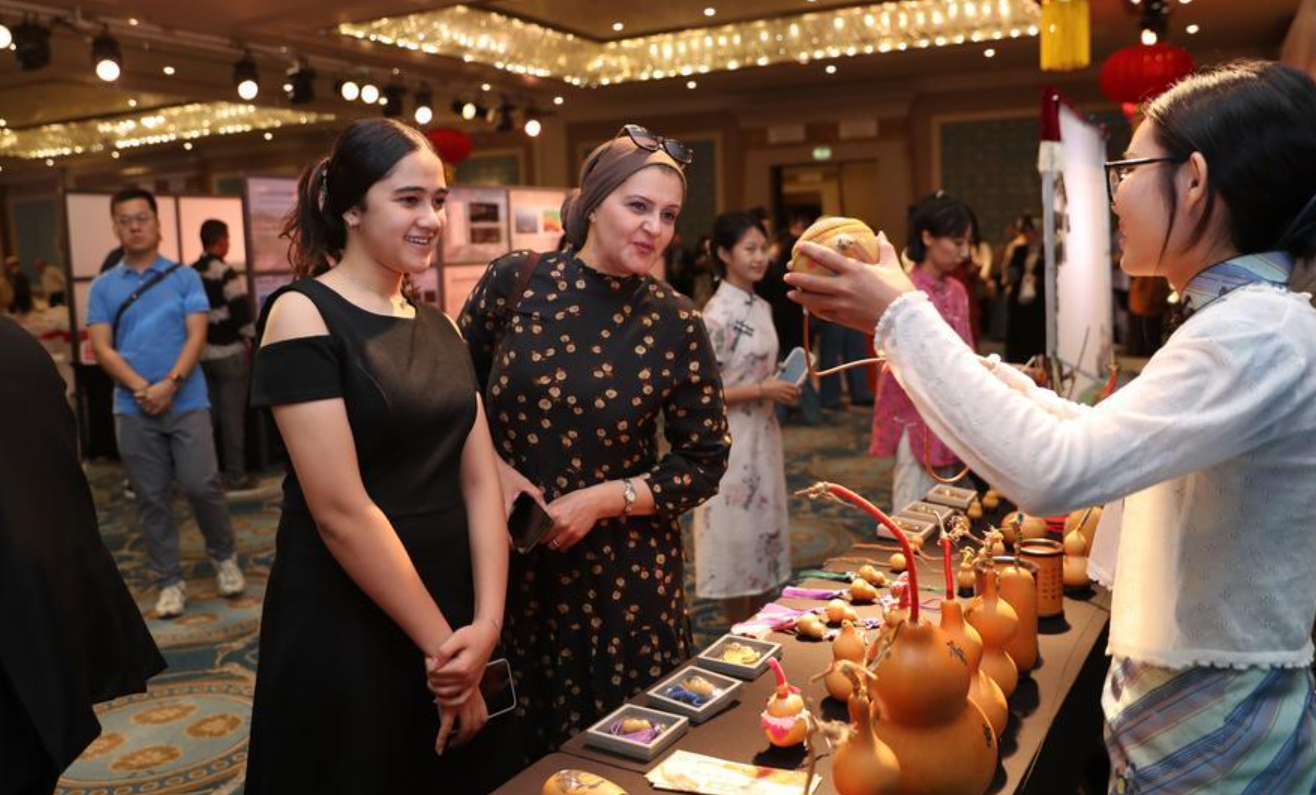
Visitors learn about the craftsmanship of Zhangqiu gourd carving at a tea-themed cultural salon in Cairo, Egypt, June 12, 2025. (Sui Xiankai)
The translator said writers including Mo Yan, Liu Zhenyun, Wang Xiaobo and Su Tong offered him a more complex understanding of Chinese society beyond politics or economics. According to al Saeed, translation became less about language itself and more about transferring lived experience and cultural understanding between societies.
He said interest in Chinese books across the Arab world had increased significantly in recent years alongside China’s growing economic and diplomatic presence in the region. “Today, I receive messages from readers across more than 20 Arab countries,” he wrote. Al Saeed also reflected on broader questions around development, modernity and the role of non-Western perspectives in global discussions.“Each country must find a path rooted in its own history and culture,” he wrote.
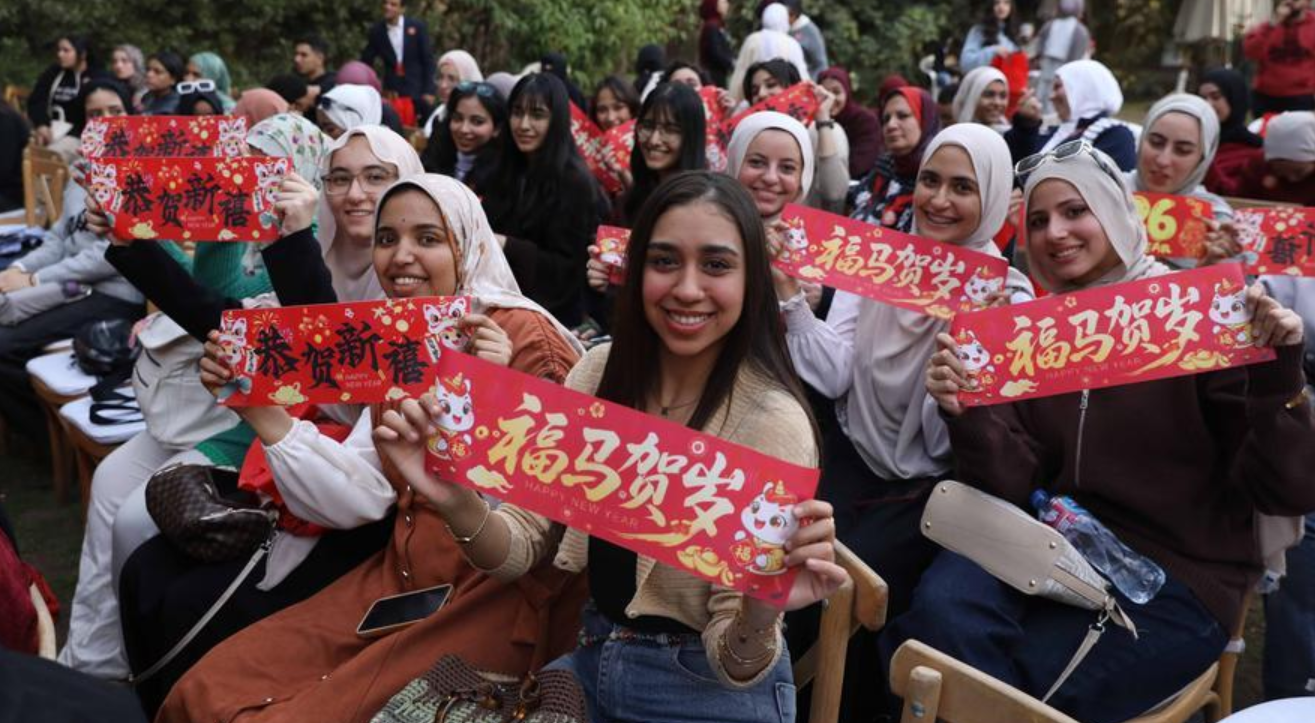
People pose for photos with Spring Festival decorations during a 2026 Chinese Spring Festival celebration in Cairo, Egypt, on Feb. 8, 2026. (Ahmed Gomaa)
He argued that Chinese texts increasingly offer readers in the Global South an alternative perspective on governance and development outside dominant Western frameworks. Reflecting on relations between Egypt and China, al Saeed described the connection as one between two ancient civilisations with long historical memories. “When an Egyptian reader opens a Chinese book in Arabic, something more than reading takes place,” he wrote. “It is a conversation between the Nile and the Yellow River.”