
Iran-US Tensions Escalate as Retaliatory Strikes Hit Regional Bases
Wednesday 10 June 2026 - 03:19pm
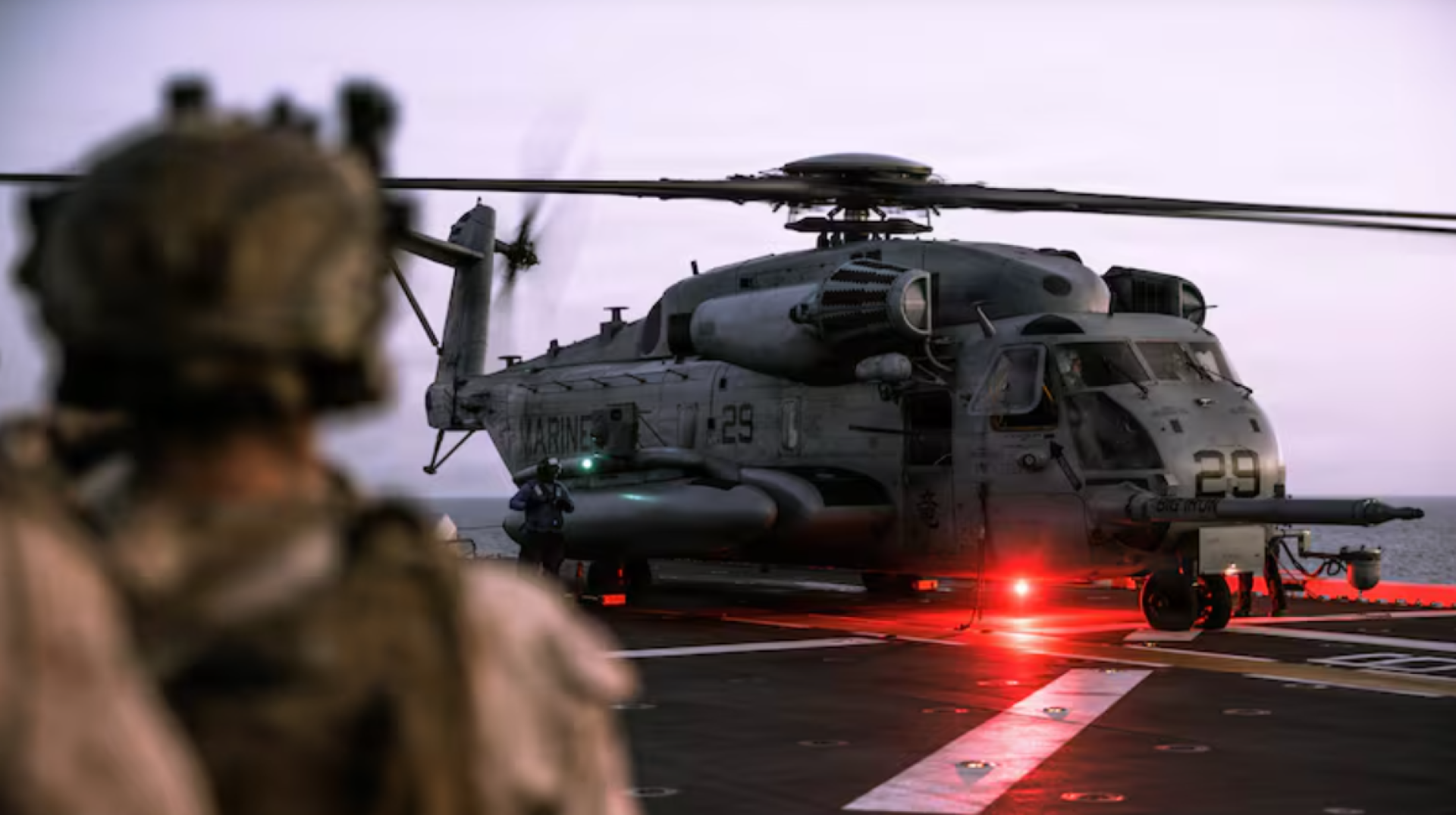
A US military helicopter on a ship in the Arabian Sea. Photo: Centcom
NNA News - Tensions between Iran and the United States escalated sharply on Wednesday after Tehran announced retaliatory strikes against several American military facilities in the Middle East following a new round of US attacks on Iranian targets. The latest exchange has raised concerns about regional stability and placed additional strain on efforts to maintain a fragile ceasefire following recent hostilities involving Iran and Israel.
Iran's Islamic Revolutionary Guard Corps (IRGC) said it launched drone and missile strikes against US military facilities in Bahrain, Kuwait and Jordan in response to attacks carried out by American forces earlier in the day. According to Iranian media reports, the IRGC targeted the US Fifth Fleet in Bahrain, Ali Al Salem Air Base in Kuwait and facilities at al-Azraq Air Base in Jordan. "In the event of continued hostility, heavier responses are on the way," the IRGC said in a statement.
The retaliation followed US military operations against Iranian military infrastructure near the Strait of Hormuz. According to the United States Central Command, American forces targeted Iranian air defence systems, surveillance radar sites and ground control facilities using Air Force and Navy aircraft.
Explosions were reported in Bandar Abbas, Qeshm Island and Sirik County in southern Iran, where air defence systems were activated following the strikes. Iranian authorities said several civilian facilities were also damaged, including telecommunications infrastructure and water storage facilities. The latest military exchange follows claims by US President Donald Trump that Iranian forces had shot down an American Apache helicopter operating near the Strait of Hormuz. Trump described the incident as requiring a "very strong" response.
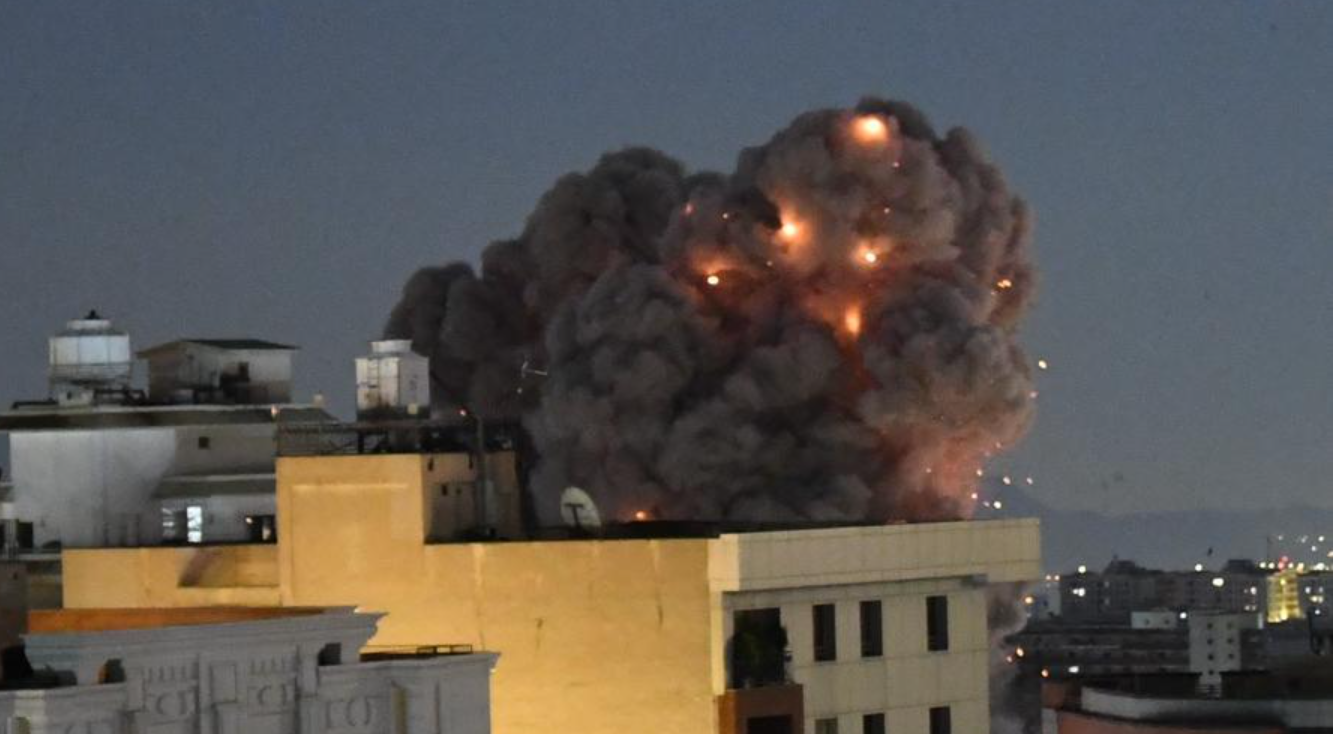
Smoke rises from buildings in Tehran, Iran on March 29, 2026. (Shadati)
Iranian state media disputed the claim, citing military sources who said no offensive aerial operations had been conducted in the area during the period in question. Iranian Foreign Minister Abbas Araghchi warned that Tehran would continue responding to any perceived threats against its territory. "Despite its defeats on the battlefield, the US opted to test our determination," Araghchi wrote on social media.
He also called on foreign military forces to leave the region, arguing that their continued presence increased the risk of confrontation. The developments mark the latest escalation in an already volatile security environment across the Middle East, where concerns remain high over the potential for a broader regional conflict involving multiple state and non-state actors.
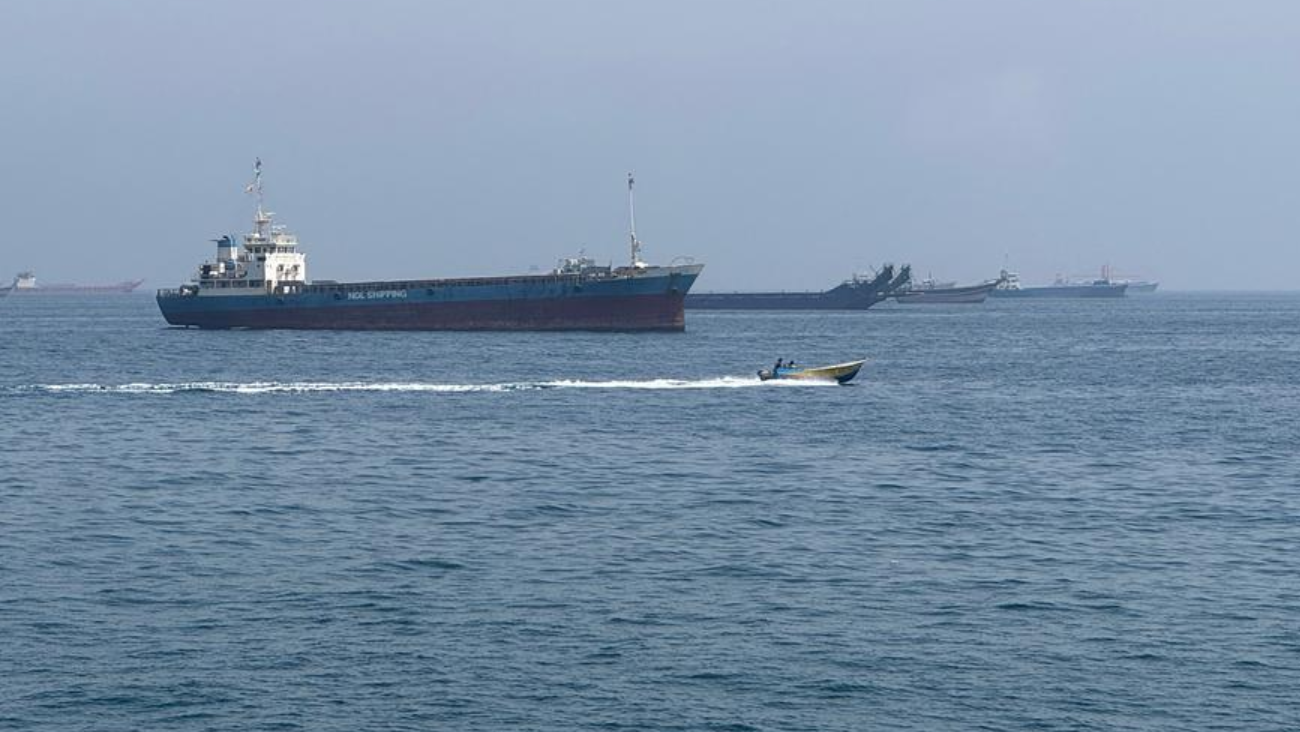
This photo taken with a mobile phone, shows merchant vessels stranded in the waters of the Strait of Hormuz, near Khasab, a small town in northern Oman, May 29, 2026. (Wen Xinnian)
Analysts warn that continued military exchanges between Tehran and Washington could threaten maritime security in the Strait of Hormuz, one of the world's most important energy transit routes, while also complicating diplomatic efforts aimed at reducing tensions across the region.