
Brazil Rejects US Environmental Claims as Deforestation Falls
Thursday 11 June 2026 - 07:03pm
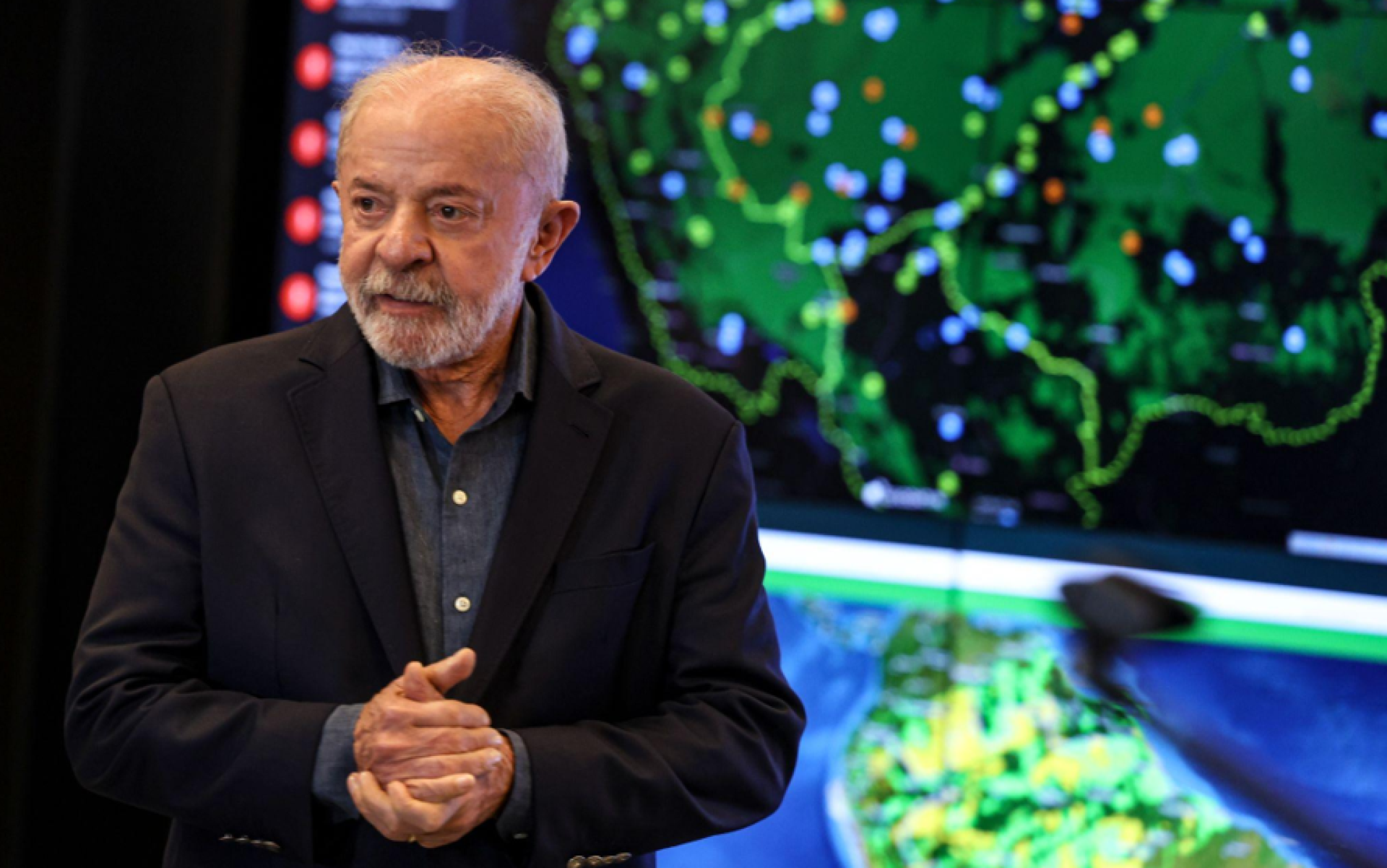
Photo: Marcelo Camargo/Agência Brasil
By Brasil 247 – Brazilian President Luiz Inácio Lula da Silva visited the Amazon Regional Observatory (ORA) of the Amazon Cooperation Treaty Organization (ACTO) in Brasília on Thursday. According to Brasil 247, citing a report by Sputnik Brasil, the president was accompanied by Environment and Climate Change Minister João Paulo Capobianco, Science, Technology and Innovation Minister Luciana Santos, ACTO Secretary-General Martín Von Hildebrand and other officials.
During the visit, environmental technicians presented data from the Real-Time Deforestation Detection System (Deter), operated by Brazil’s National Institute for Space Research (INPE). The information showed a broad reduction in deforestation across both the Amazon and the Cerrado biome, which the federal government attributes to strengthened environmental policies and the rebuilding of environmental institutions.
Official figures indicate that deforestation in the Amazon fell by 61.4 percent compared with the 2024-2025 period, marking the largest reduction in the historical series. In the Cerrado, deforestation declined by 8.2 percent over the same period. Deter provides real-time information to enforcement agencies, and all data are publicly available.
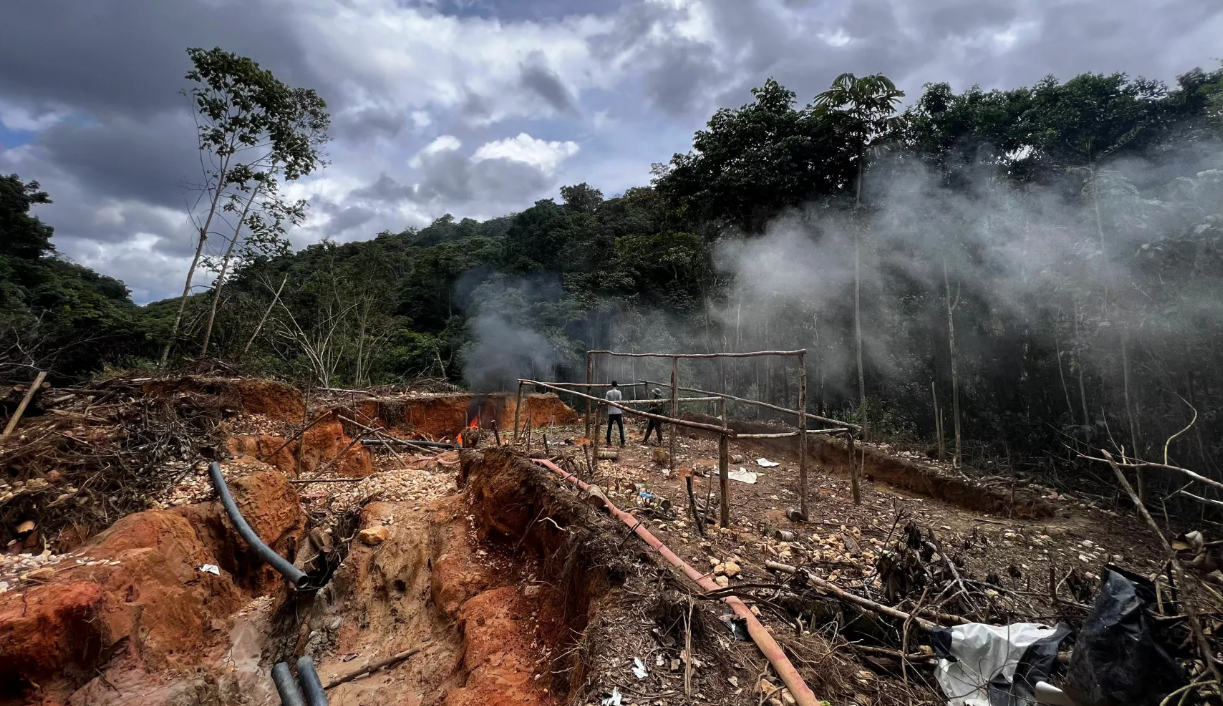
Officials attributed the results to coordinated enforcement measures. Environmental embargoes imposed by the Brazilian Institute of Environment and Renewable Natural Resources (Ibama) increased by 20 percent compared with the previous year. Along the BR-319 highway connecting Manaus and Porto Velho, deforestation along the road corridor fell by more than 70 percent after the government strengthened environmental oversight in the region.
Phot Credit: Brazilian Institute of Environment and Renewable Natural Resources (IBAMA)
Authorities also emphasized the importance of distinguishing between legal and illegal deforestation. According to the government, the results place Brazil on a path toward achieving its goal of zero deforestation and represent the lowest deforestation rates ever recorded in the Amazon. Officials highlighted several supporting measures, including the creation and expansion of 16 new federal conservation units and the development of the Climate Plan, which outlines Brazil’s strategy for addressing the climate crisis through 2035 while promoting climate justice.
The event also emphasized the economic importance of the Amazon for Brazil and the wider region. Officials noted that the Amazon Fund currently receives approximately 1.3 billion reais annually and has approved 153 projects, while the number of donor countries and institutions has increased from two to nine. The release of the data comes amid a diplomatic and trade dispute with the United States. The Office of the United States Trade Representative has threatened new tariffs on Brazilian products, alleging that Brazil engages in irregular deforestation practices that amount to environmental dumping.
The Brazilian government has strongly rejected the accusation. According to the Ministry of Environment and Climate Change, detailed information on deforestation monitoring has already been presented to US authorities in Washington. Brazil’s Ministry of Development, Industry, Trade and Services said negotiations between the two countries are expected to continue through Friday. Addressing the issue, Lula sharply criticized Washington’s position and the justifications associated with the administration of President Donald Trump. “They lied,” Lula said.
He argued that the United States is not behaving “in a civilized way” in the negotiations and added, “My battle is to prove that you are wrong and we are right.” Emphasizing national sovereignty, Lula directed a message to Trump. “You were not elected emperor of the world. Brazil wants respect. We want civility, trade and development for both countries,” he said.
The president also argued that environmental preservation generates economic value. According to Lula, “not deforesting is more profitable than deforesting.” He described Brazil as an example of environmental policy and called for broader dissemination of official monitoring information. “Let us take these data and send them to the people who raise the issue of deforestation and compare what happens here and there,” Lula said.
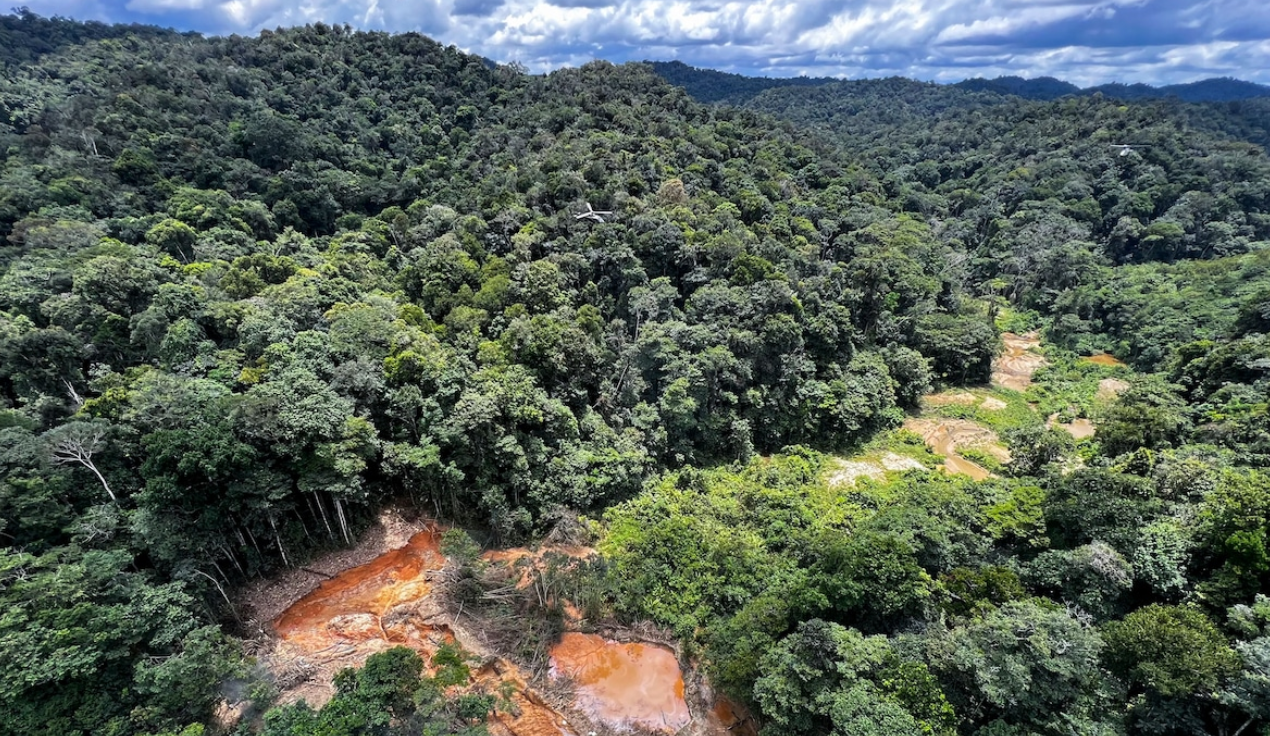
Photo Credit: ALAN CHAVES / AFP via Getty Images
He added that the government’s objective “is not to prohibit people from doing things” and called for greater investment in municipalities to address climate challenges through coordinated action among different levels of government. Science, Technology and Innovation Minister Luciana Santos supported the president’s criticism, stating that “many of the data used to attack Brazil have no basis,” while also emphasizing that “our government remains willing to engage in dialogue with the United States.”
Environment Minister João Paulo Capobianco highlighted the scientific basis of INPE’s monitoring system. “We are working to achieve the lowest deforestation rate in the history of the Amazon by July 31. This undermines the unfair accusation made by the United States to justify tariffs,” he said. Capobianco also rejected allegations regarding Brazil’s production chains, stating that “Brazil is not producing illegal timber.” He confirmed that the reports had already been presented to US authorities. “All the data were shown to the United States in Washington, but even so this unfair accusation was made against us,” he said.
According to Capobianco, the data became publicly available on Thursday, allowing any citizen anywhere in the world to verify the information directly through INPE’s website. He said the figures would also be used in negotiations with Washington. “The hallmark of this government is transparency,” Capobianco said. “We are not responding to a particular government. We are responding to society.” ACTO Secretary-General Martín Von Hildebrand discussed the institutional role of the organization and the complexity of coordination among Amazonian countries.“The treaty is under the responsibility of foreign ministries and relevant ministries. The treaty does not execute projects. It creates processes through which countries execute projects. This is not easy and takes time,” he said.
Hildebrand warned about the seriousness of the global environmental situation and stated that “avoiding the point of no return is our objective.” He argued that preserving the Amazon requires participation beyond governments alone. “We need civil society, local communities, universities and religious movements. Their participation is essential. Otherwise, we will not be able to preserve the forest,” he said.
The secretary-general also advocated a broader approach to sustainable development in the Amazon region. “Sustainable development is not only about the bioeconomy. It is also about security, given the public security crisis in the Amazon. It is also about investments in health. What we seek is the well-being of the people,” he said.