
Human Error Behind Most South Africa Road Deaths, Experts Warn
Friday 12 June 2026 - 11:03am
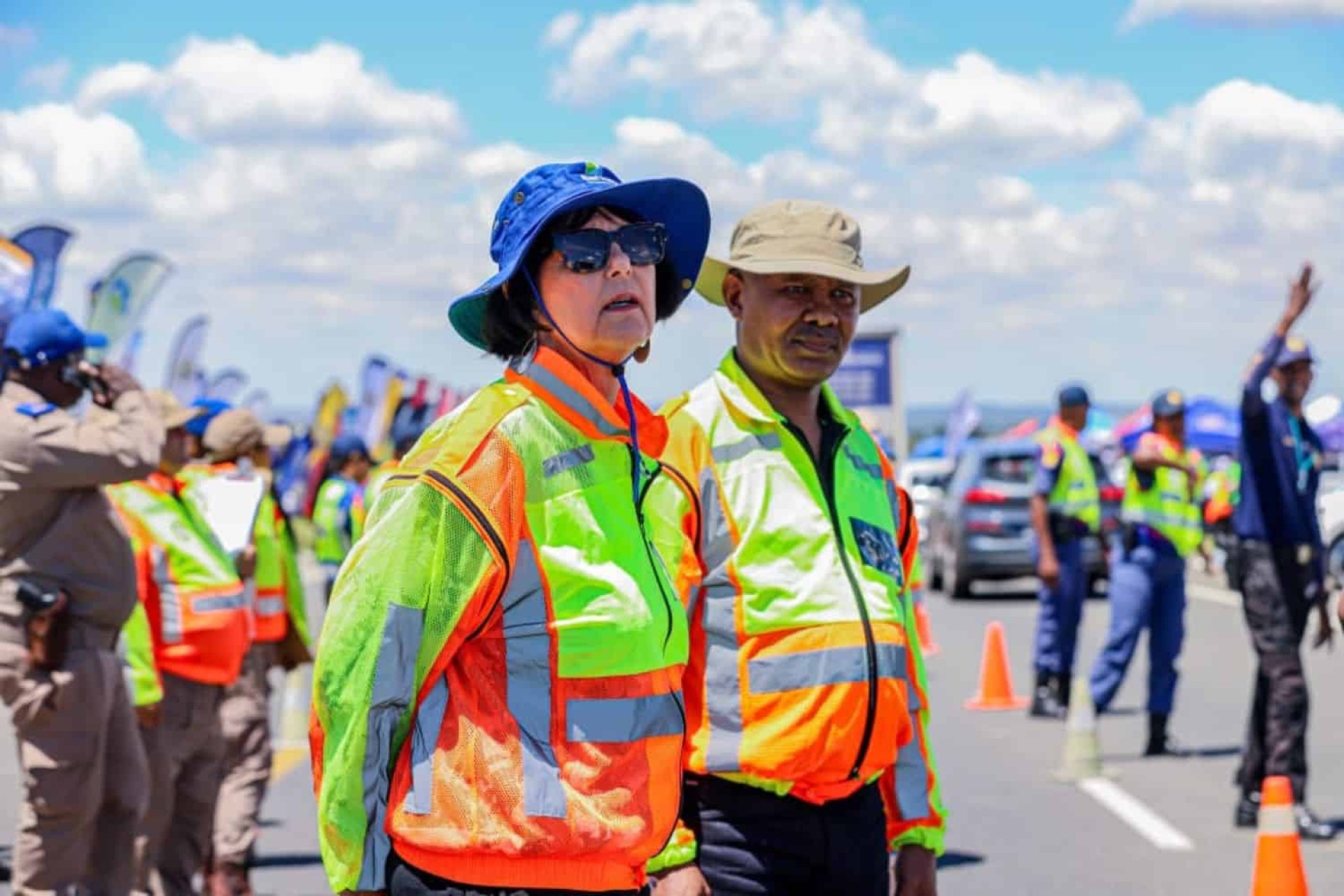
Photo Credit: Transport Department, South Africa
More than 80% of road crashes in South Africa are linked to human behaviour, transport experts warned on Wednesday, calling for safer road design, stricter traffic enforcement and greater seatbelt use. South Africa recorded 12,408 road deaths in the 2023/24 financial year, according to the Road Traffic Management Corporation, with pedestrians and public transport passengers among the hardest hit.
Sekadi Phayane-Shakhane, CEO of the South African Institute of Civil Engineering, argued that road planning should reflect how most South Africans travel: mainly by taxi and then on foot for the final stretch. “It has been proven that the majority of people in our country use public transport, especially taxis, and then walk the last mile to access economic opportunities, schools and clinics,” Phayane-Shakhane explained.
She urged authorities to design roads that better protect vulnerable users, especially on high-speed routes. “We need to be very intentional about how we plan around these areas. High speeds kill. People are very vulnerable, so they need to be protected as much as possible.”
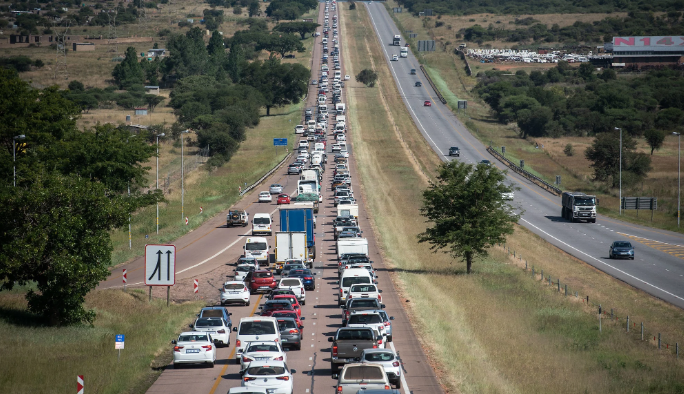
Long queues of motorists driving back from Limpopo on the N1 heading towards Pretoria after the Easter long weekend on 5 March 2021. Picture: Jacques Nelles
Busiwe Marole, a researcher at CSIR Smart Mobility, pointed to low seatbelt use in taxis and buses as another factor behind the high fatality rate. “Our public transport users do not always wear seatbelts. If you take responsibility for your own safety, restraining yourself in a public vehicle helps you arrive safely in the event of an accident,” Marole added. “That is part of the reason why, when buses or taxis are involved in crashes, there are higher fatalities, most of which are because people are not restrained.”
Road safety specialists also highlighted the “fatal five” behaviours that contribute most to road deaths: speeding; impaired driving due to alcohol, drugs or mobile phone use; failing to wear seatbelts; not using child restraints; and not wearing motorcycle helmets. “We need to really sharpen up the fatal five,” said Dr Lee Randall, founder of the Road Ethics Project. “Those five kill more people globally than almost any other behaviour, and South Africans can control them.”