
Zimbabwe extends presidential term to 2030 under new constitutional law
Wednesday 08 July 2026 - 11:43am
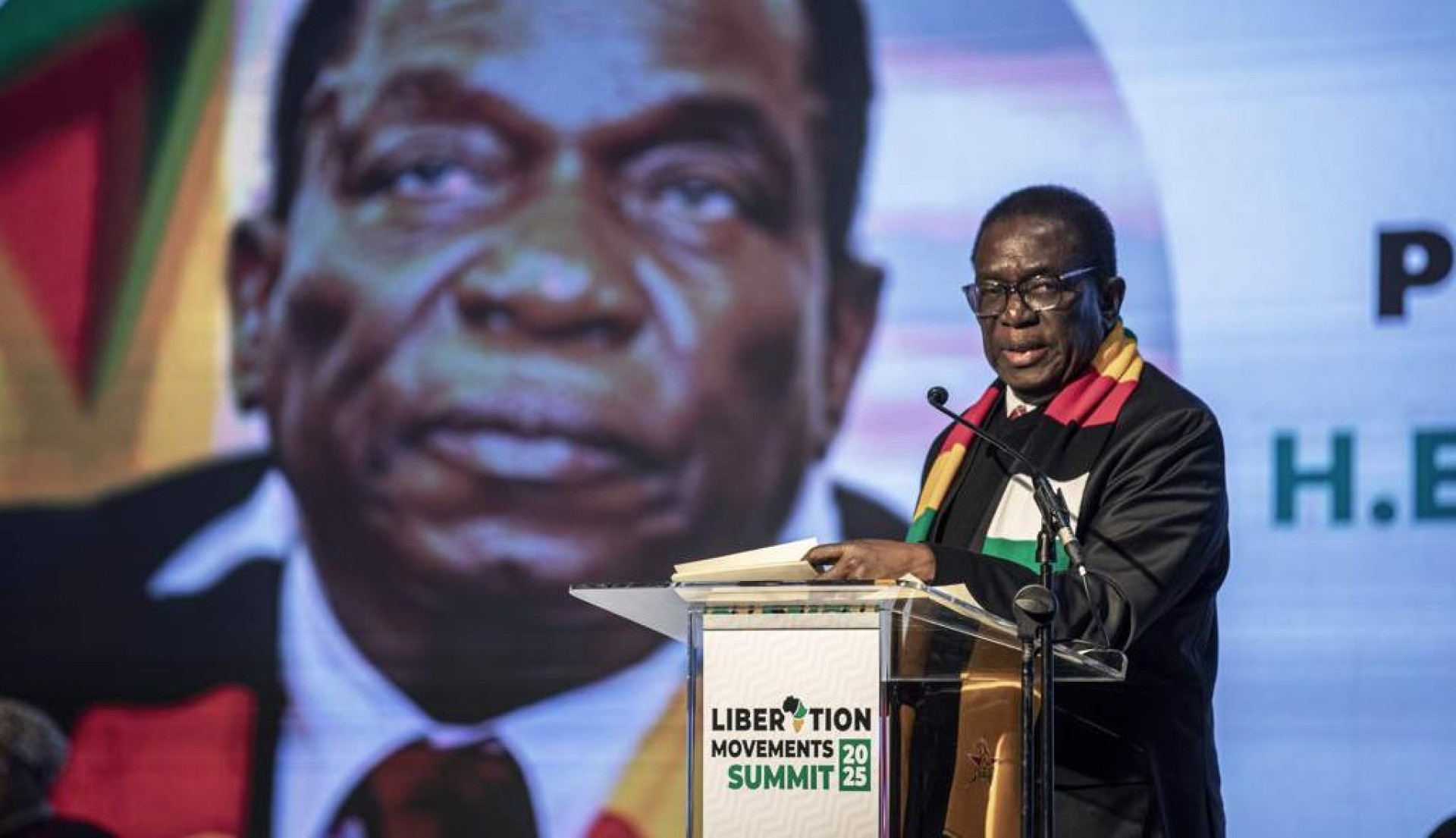
Zimbabwean President Emmerson Mnangagwa speaking in Johannesburg at the Liberation Movement Summit 2025. Photo Credit: Per-Anders Petterson/Getty Images
NNA News - President Emmerson Mnangagwa has signed the Constitutional Amendment (No. 3) Act into law, extending his term to 2030 and abolishing direct presidential elections, government spokesperson Nick Mangwana announced on Tuesday. “Signed, sealed and delivered, it is now law,” Mangwana posted on X, attaching a copy of the legislation.
The amendment was approved by parliament last month. In the National Assembly, it passed on 18 June with 216 votes in favour and 42 against, clearing the two-thirds majority required to change the constitution. The Senate later endorsed the bill by 75 votes to 4. Under the new law, both presidential and parliamentary terms are extended from five to seven years, pushing the next general election from 2028 to 2030. The Act also ends direct public voting for the president. Instead, future heads of state will be elected by parliament, where the ruling ZANU-PF holds a majority.
The legislation makes several other changes to Zimbabwe’s governance structure. It expands the Senate from 80 to 90 members, with the additional seats filled by presidential appointment. It transfers responsibility for voter registration from the Zimbabwe Electoral Commission to the Registrar-General. It also ends public interviews for senior judicial appointments and creates a new Judge President position within the Supreme Court.
President Mnangagwa, 83, came to power in November 2017 after the military ousted long-time leader Robert Mugabe. He went on to win disputed elections in both 2018 and 2023. Under the 2013 constitution, presidents are limited to two terms, and Mnangagwa’s second term was set to end in 2028. He had previously described himself as a constitutionalist and pledged to respect those limits. However, calls to extend his tenure began about two years ago when ZANU-PF supporters chanted for “more time” at party rallies so he could complete his agenda. The ruling party, which has governed since independence in 1980, later adopted a resolution to amend the constitution. Cabinet backed the proposal in February, and parliament passed the bill in June.
The amendments have drawn sharp criticism from opposition parties, civil society groups, constitutional lawyers and some veterans of the 1970s liberation war. They argue that extending presidential terms should require a national referendum. They also point to the 2013 constitution’s “no-benefit” clause, which was intended to prevent changes from extending the tenure of a sitting president without voter approval. Supporters counter that parliament had the authority to pass the law because the two-term limit remains, even though each term is now longer. The government says longer terms will provide policy continuity and stability to tackle economic challenges, including currency instability, inflation, high unemployment and infrastructure gaps.
The changes have deepened political tensions in the country of about 15 million people. In recent weeks, police have banned public meetings and arrested critics of the reforms. Opponents also allege harassment and intimidation. Several legal challenges have been filed to overturn the amendments, but Zimbabwe’s courts have not yet ruled on them. With Mnangagwa’s assent and the Act’s publication in the government gazette, Zimbabwe is now scheduled to hold its next presidential and parliamentary elections in 2030 under the new seven-year cycle.