The newsletter of the facts
E-News
Subscribe to E-News
Our daily analytical digest breaking down the data driving modern policy and markets.

Monday 08 June 2026 - 10:17am
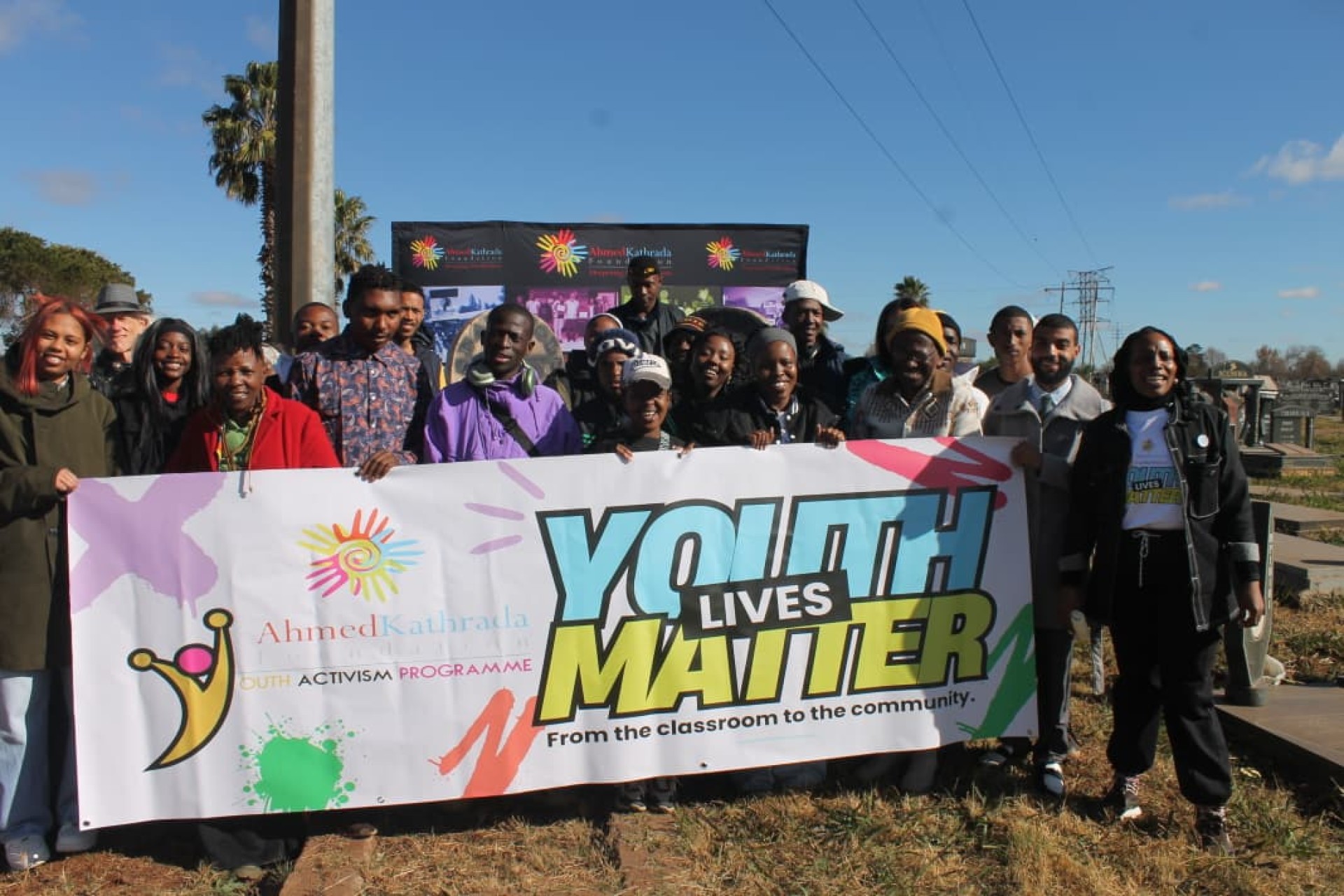
Youth activists and community members gather at a Soweto cemetery during the launch of the #YouthLivesMatter campaign ahead of the 50th anniversary of the Soweto Uprising. Photo: Luyanda Canca / NNA News
NNA News -The Ahmed Kathrada Foundation launched its #YouthLivesMatter campaign in Soweto, on Friday, calling on young South Africans to organise and vote as the country marks 50 years since the 1976 uprising. Organisers said the campaign aims to revive civic engagement ahead of the June 16 anniversary, shifting the focus from political freedom to what youth now call their “unfinished struggle”: unemployment, drug abuse, and social exclusion.
Unemployment was the main concern raised by young participants. “Our biggest challenge is unemployment. Many young people graduate from university and then spend years struggling to find work. Some are forced into temporary jobs, while others turn to crime because they have no opportunities,” youth participant Amanda Miya said. Community members linked joblessness to rising substance abuse. “The challenges we are facing are drug and substance abuse, and they are affecting children. It has even reached a point where substances are finding their way into schools. This continues to have a serious impact on young people,” community member Anita Smith said.
Entrepreneur Jordan Booysen said young business owners face barriers to funding. “When you start a company as a young entrepreneur, people often do not take you seriously,” Booysen said. “Government grants and support programmes are difficult to access, which makes it harder for young people to grow their businesses and create jobs.”
Ahmed Kathrada Foundation Executive Director Neeshan Bolton said the campaign draws on Kathrada’s legacy to push youth participation. “Young people have power, but they need to believe in that power,” Bolton said. “The lesson from 1976 is that change requires organisation, focus, and participation. Young people must use the tools available in a democracy to ensure that their concerns are placed on the national agenda.”

Flowers are placed on the grave of a June 16 struggle figure during a commemorative visit by youth activists in Soweto ahead of the launch of the #YouthLivesMatter campaign marking 50 years since the Soweto Uprising. Photo: Luyanda Danca / NNA News
The launch was held at Kathrada’s gravesite in Soweto, South Africa, where youth activists, community members, and struggle veterans gathered alongside other liberation figures. Kathrada, a Rivonia trialist who spent 26 years on Robben Island, became politically active as a teenager in the 1950s. He later reflected: “I became involved in the struggle at a very young age because injustice does not wait for adulthood.”
Organisers also recalled the June 16, 1976 Soweto Uprising, when thousands of Black school learners marched against apartheid education policies and the compulsory use of Afrikaans. Police opened fire, killing and injuring hundreds. The image of 12-year-old Hector Pieterson became a symbol of resistance.
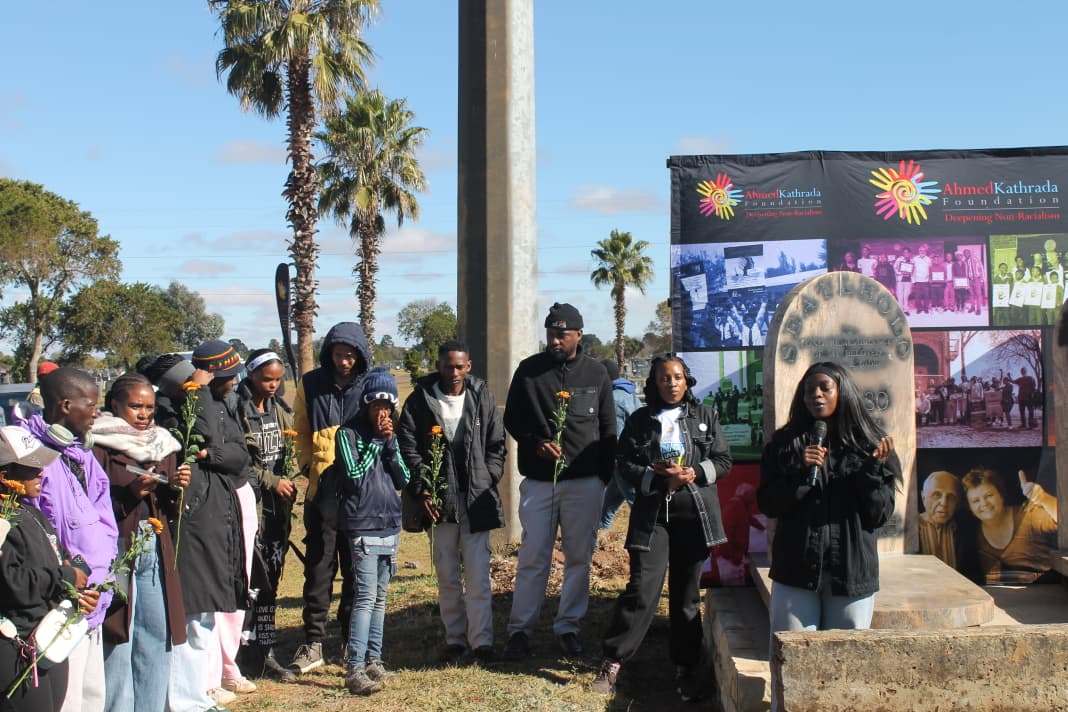
Youth activists and community members gather at a Soweto cemetery during the launch of the #YouthLivesMatter campaign ahead of the 50th anniversary of the Soweto Uprising. Photo: Luyanda Canca / NNA News
As the anniversary approaches, participants said the meaning of “struggle” has shifted. While the 1976 generation fought for political freedom and equal education, many young people today define their struggle by unemployment, social exclusion, safety concerns, and the search for dignity and opportunity.

Join 46,000+ global citizens, corporate executives, and decision-makers who rely on NNA every day for definitive clarity. Enter your email to unlock uncompromised perspective for free.
No thanks, take me back to the home page.We respect your inbox. Unsubscribe in one click, any time.
Three ways to get NNA News the moment it breaks.
Our daily analytical digest breaking down the data driving modern policy and markets.
High-utility situational intelligence delivered directly to your inbox before your first meeting.
The whole network in your pocket, with breaking-news alerts.